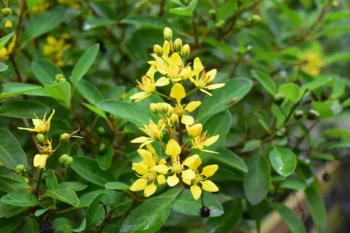
Slender Goldshower: A Tropical Beauty for Warm Climate Gardens
Meet the slender goldshower (Galphimia gracilis), a charming flowering shrub that brings a touch of golden magic to warm climate gardens. With its delicate clusters of bright yellow flowers that seem to cascade like tiny golden raindrops, this plant certainly lives up to its poetic common name. But before you fall head-over-heels for this tropical beauty, let’s explore what makes it tick and whether it’s the right fit for your garden.
What Exactly Is Slender Goldshower?
Slender goldshower is a perennial shrub that typically grows as a multi-stemmed woody plant, usually staying under 13-16 feet tall. Think of it as nature’s confetti cannon – when in bloom, it produces clusters of small, cheerful yellow flowers that create quite the visual impact. You might also see it listed under its synonym, Thryallis gracilis, in some older gardening references.
Where Does It Call Home?
Here’s where things get interesting: while slender goldshower has made itself at home in Florida, Puerto Rico, and the U.S. Virgin Islands, it’s actually not a native plant to these areas. Originally from Central and South America, particularly Mexico and other tropical regions, this shrub has been introduced and now reproduces on its own in these warmer U.S. territories.
- Species observed
- No observations
The Good, The Beautiful, and The Practical
So why might you want to invite this non-native beauty into your garden? Here are the compelling reasons:
- Year-round color: Those golden flower clusters can bloom throughout the growing season
- Pollinator magnet: Bees and butterflies find those yellow blooms irresistible
- Low maintenance: Once established, it’s quite drought tolerant
- Versatile design element: Works beautifully as a specimen plant, in mixed borders, or even as an informal hedge
Perfect Garden Situations
Slender goldshower thrives in tropical and subtropical gardens where it can bask in warm temperatures year-round. It’s particularly well-suited for:
- Tropical landscape designs
- Butterfly gardens
- Mixed shrub borders
- Informal hedge plantings
- Container gardens in colder climates (if you can bring it indoors)
Growing Conditions and Care
If you’re in USDA hardiness zones 9b through 11, you’re in luck! Slender goldshower appreciates:
- Light: Full sun to partial shade (though more sun typically means more flowers)
- Soil: Well-draining soil is crucial – soggy roots are not this plant’s friend
- Water: Regular watering during establishment, then it becomes quite drought tolerant
- Fertilizer: Minimal needs – too much fertilizer can actually reduce flowering
Planting and Care Tips
Getting your slender goldshower off to a good start is fairly straightforward:
- Plant in spring after the last frost danger has passed
- Water regularly for the first growing season to establish roots
- Prune lightly after flowering to maintain shape and encourage bushier growth
- In colder zones, consider container growing so you can protect it from frost
A Word About Native Alternatives
While slender goldshower isn’t considered invasive, it’s worth considering some native alternatives that could provide similar benefits while supporting local ecosystems. In Florida, you might explore native beauties like wild coffee (Psychotria nervosa) or firebush (Hamelia patens), both of which offer colorful blooms and attract pollinators while being perfectly adapted to local conditions.
The Bottom Line
Slender goldshower can be a delightful addition to warm climate gardens, offering reliable color and pollinator appeal with relatively low maintenance needs. While it’s not native to U.S. territories where it now grows, it doesn’t appear to pose ecological concerns. As with any garden decision, consider your local conditions, maintenance preferences, and whether a native alternative might better serve both your garden goals and local wildlife. Either way, that golden shower of blooms is certainly hard to resist!