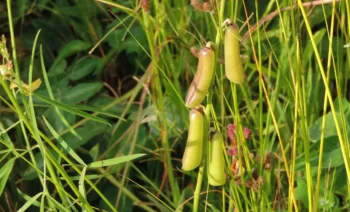
Slender Leaf Rattlebox: A Non-Native Annual with Bright Yellow Blooms
If you’ve spotted a cheerful yellow-flowered plant with slender leaves popping up in disturbed areas across the southeastern United States, you’ve likely encountered slender leaf rattlebox (Crotalaria ochroleuca). This non-native annual has made itself quite at home in warmer regions, bringing a splash of sunny color wherever it establishes.
What Is Slender Leaf Rattlebox?
Slender leaf rattlebox is an annual forb, meaning it’s a non-woody herbaceous plant that completes its entire life cycle in one growing season. Originally hailing from Africa, this plant has found its way to the southeastern United States, where it thrives in warm climates. You might also see it listed under its botanical synonym, Crotalaria cannabina.
Where You’ll Find It
This adaptable plant has established populations across several southeastern states, including Alabama, Florida, Georgia, Louisiana, Mississippi, North Carolina, and South Carolina. It tends to pop up in disturbed soils, along roadsides, and in areas where the ground has been recently cleared.
- Species observed
- No observations
Garden Appeal and Characteristics
Slender leaf rattlebox offers several appealing features for gardeners in warm climates:
- Bright yellow, pea-like flowers that bloom throughout the growing season
- Slender, narrow leaves that give the plant its common name
- Upright growth habit that adds vertical interest to garden beds
- Self-seeding ability that can fill in gaps in wildflower gardens
Growing Conditions and Care
If you’re considering adding slender leaf rattlebox to your garden, it’s refreshingly low-maintenance:
- Sunlight: Thrives in full sun conditions
- Soil: Prefers well-drained soils but adapts to various soil types
- Water: Drought tolerant once established
- Climate: Best suited for USDA hardiness zones 8-11
- Planting: Easily grown from seed, often self-sows
Wildlife and Pollinator Benefits
The bright yellow flowers of slender leaf rattlebox attract various pollinators, including bees and butterflies. This can make it a valuable addition to pollinator gardens, especially in areas where few other flowering plants are established.
Should You Plant It?
As a non-native species, slender leaf rattlebox presents a bit of a gardening dilemma. While it’s not currently listed as invasive or noxious, its ability to self-seed and establish in new areas means it can spread beyond your garden boundaries. If you’re drawn to its sunny blooms and easy-care nature, consider these points:
- It may naturalize beyond your intended planting area
- Native alternatives might provide similar benefits with less ecological concern
- It can be useful for quickly filling disturbed or difficult-to-plant areas
Native Alternatives to Consider
If you love the idea of bright yellow, easy-care annual flowers, consider these native alternatives that provide similar garden value:
- Partridge pea (Chamaecrista fasciculata) – also has yellow pea-like flowers
- Wild senna (Senna hebecarpa) – another yellow-flowered legume
- Black-eyed Susan (Rudbeckia species) – for bright yellow daisy-like blooms
The Bottom Line
Slender leaf rattlebox is an adaptable, cheerful annual that can bring color to challenging garden spots in warm climates. While its non-native status gives us pause, it’s not currently considered problematic enough to avoid entirely. If you choose to grow it, keep an eye on its spread and consider balancing it with native plants that support local ecosystems. As with any garden decision, the choice ultimately depends on your specific goals and gardening philosophy.