Slender Oat: What Every Gardener Should Know About This Common Grass
If you’ve ever wandered through California’s golden hills or explored disturbed ground in the American West, chances are you’ve encountered slender oat (Avena barbata) without even knowing it. This unassuming annual grass has quietly made itself at home across much of the United States, and while it might not be the showstopper of your garden dreams, it’s worth understanding what it is and whether it belongs in your landscape.
What Exactly Is Slender Oat?
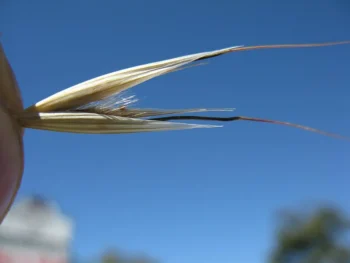
Slender oat is an annual grass that originally hails from the Mediterranean region. Despite its common name, it’s quite different from the oats you might find in your morning breakfast bowl. This delicate grass produces slender, nodding seed heads that dance gracefully in the breeze, giving it an almost ethereal quality when growing in large stands.
You might also encounter this plant listed under its synonym, Avena hirsuta Moench, in older gardening references or botanical texts.
Where You’ll Find It Growing
Slender oat has established itself across a surprising range of states, from the sun-baked landscapes of Arizona and California to the coastal areas of Massachusetts and Washington. You can find it growing in Arizona, California, Hawaii, Massachusetts, Montana, Nevada, New Mexico, Oregon, and Washington.
- Species observed
- No observations
This wide distribution tells us something important: slender oat is remarkably adaptable and has found ways to thrive in diverse climates and conditions across the country.
The Native Plant Perspective
Here’s where things get a bit complicated for native plant enthusiasts. Slender oat is not native to North America – it’s what botanists call an introduced species that has naturalized in the wild. While it reproduces spontaneously and persists without human intervention, it’s essentially a botanical immigrant that has made itself at home.
This doesn’t automatically make it a garden villain, but it does mean that if you’re passionate about supporting native ecosystems and wildlife, you might want to consider alternatives that evolved alongside our local critters.
Should You Plant Slender Oat?
The honest answer? Probably not intentionally. While slender oat isn’t necessarily harmful, it doesn’t offer the same ecological benefits as native grasses. It’s wind-pollinated, so it won’t attract the butterflies and bees that make gardens come alive. Plus, it has a tendency to show up on its own in disturbed soils, so you might end up with it whether you want it or not!
Native Alternatives to Consider
If you’re drawn to the delicate, nodding appearance of slender oat, consider these native alternatives instead:
- Purple needlegrass (Stipa pulchra) – California’s state grass with beautiful purple-tinged seed heads
- Buffalo grass (Poaceae dactyloides) – A drought-tolerant native perfect for naturalized areas
- Little bluestem (Schizachyrium scoparium) – Offers stunning fall color and supports native wildlife
If You’re Stuck with Slender Oat
Maybe slender oat has already moved into your garden, or you’re dealing with it in a restoration project. The good news is that as an annual, it completes its entire life cycle in one year. You can manage it by:
- Mowing or cutting before seed set to prevent spread
- Establishing competitive native perennial grasses
- Improving soil conditions to favor desired species
Growing Conditions
Slender oat thrives in full sun and is remarkably drought-tolerant once established. It’s not particularly picky about soil types and often appears in disturbed ground, roadside areas, and other spots where the earth has been turned over. This adaptability is part of what has made it so successful across diverse American landscapes.
The Bottom Line
Slender oat is one of those plants that exists in the gardening gray zone – not necessarily bad, but not particularly beneficial either. While it won’t destroy your garden ecosystem, it won’t enhance it much either. If you’re passionate about creating habitat for native wildlife and supporting local ecosystems, your energy is better invested in native plant alternatives that will provide food, shelter, and nesting materials for the creatures that call your region home.
Remember, every plant we choose is a vote for the kind of world we want to live in. Why not cast your vote for the natives?