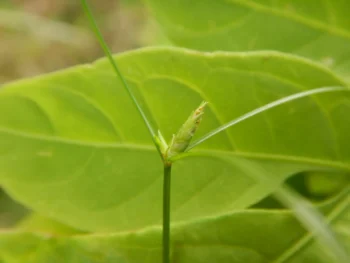
Slimjim Flatsedge: A Delicate Non-Native Sedge for Wet Gardens
Looking for a grass-like plant that thrives in moist conditions? Meet slimjim flatsedge (Cyperus gracilis), a perennial sedge that’s made itself at home in parts of the United States. While it’s not a native species, this delicate member of the sedge family has some interesting characteristics that might catch a gardener’s eye.
What is Slimjim Flatsedge?
Slimjim flatsedge is a perennial grass-like plant that belongs to the sedge family (Cyperaceae). Don’t let the name fool you – despite being called flatsedge, it’s actually quite slender and graceful, living up to its slimjim moniker. This plant produces thin, grass-like foliage and small, inconspicuous brown flower clusters that appear throughout the growing season.
Where Does It Grow?
Originally from tropical and subtropical regions, slimjim flatsedge has established itself as a non-native species in the United States. You’ll currently find it growing wild in California and Hawaii, where it reproduces naturally without human intervention. The plant has adapted well to these environments and tends to persist once established.
- Species observed
- No observations
Growing Conditions and Care
If you’re considering adding slimjim flatsedge to your garden, here’s what you need to know about its preferences:
- Moisture: This plant loves wet feet! It’s classified as facultative in the Arid West (can grow in wetlands and non-wetlands) and facultative upland in Hawaii (usually in non-wetlands but tolerates wetlands)
- Light: Thrives in full sun to partial shade
- Hardiness: Best suited for USDA zones 8-11
- Soil: Prefers consistently moist to wet soils
- Maintenance: Generally low-maintenance once established
Garden Uses
Slimjim flatsedge works well in several garden situations:
- Pond margins and water garden edges
- Naturalized or informal garden areas
- Groundcover in consistently moist locations
- Rain gardens (where appropriate for your region)
Planting and Care Tips
This sedge is relatively easy to grow if you can provide the right conditions:
- Plant in consistently moist soil – it won’t tolerate drought well
- Ensure good drainage to prevent waterlogged conditions (despite loving moisture, it doesn’t want to sit in stagnant water)
- May self-seed in ideal conditions, so monitor for unwanted spread
- Minimal fertilization needed – too much can promote excessive growth
Should You Plant It?
As a non-native species, slimjim flatsedge isn’t the best choice if you’re trying to create a native garden that supports local ecosystems. While it’s not currently listed as invasive, non-native plants generally provide fewer benefits to native wildlife and pollinators compared to indigenous species.
If you’re drawn to the look of slimjim flatsedge but want to support native biodiversity, consider these native alternatives instead:
- Native sedges (Carex species) appropriate for your region
- Native rushes (Juncus species)
- Regional native grasses that tolerate moisture
The Bottom Line
Slimjim flatsedge can be an attractive addition to water gardens and moist areas, especially in warmer climates. However, as conscious gardeners, we have the opportunity to choose plants that not only look good but also support local ecosystems. If you do decide to grow this non-native sedge, keep an eye on its spread and consider incorporating native alternatives into your landscape for the greatest environmental benefit.
Remember, the most sustainable gardens are those that work with nature rather than against it – and that usually means choosing plants that belong in your local ecosystem!