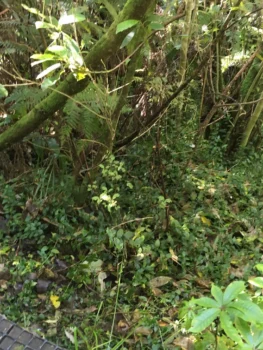
Small-Leaf Spiderwort: A Trailing Beauty with a Wandering Spirit
If you’ve ever spotted a delicate trailing plant with small white flowers carpeting a shady corner, you might have encountered small-leaf spiderwort (Tradescantia fluminensis). This South American native has found its way into gardens across the warmer regions of the United States, where it’s made quite a name for itself as both a charming ground cover and a plant that really, really likes to spread.
What Is Small-Leaf Spiderwort?
Small-leaf spiderwort is a perennial forb—basically a soft-stemmed plant that lacks woody growth—originally from South America. You might also see it listed under its botanical synonym, Tradescantia albiflora. This trailing beauty produces clusters of tiny white flowers with three petals and bright green, oval-shaped leaves that cascade beautifully from containers or spread across the ground.
Where Does It Grow?
As a non-native species that’s established itself in the wild, small-leaf spiderwort has made itself at home in several states including Alabama, California, Florida, Georgia, Kentucky, and Louisiana. The plant reproduces on its own without human intervention and has proven quite adaptable to various conditions.
- Species observed
- No observations
The Appeal Factor
Let’s be honest—small-leaf spiderwort has some serious charm going for it:
- Delicate white flowers that appear throughout the growing season
- Lush, trailing growth habit perfect for hanging baskets
- Thrives in shade where other plants might struggle
- Extremely easy to propagate from cuttings
- Attracts small pollinators like bees and flies
Growing Conditions and Care
If you’re considering adding small-leaf spiderwort to your garden, here’s what it needs to thrive:
Climate: Hardy in USDA zones 9-11, this plant is definitely frost-tender and won’t survive cold winters outdoors in most areas.
Light: Prefers partial to full shade, making it perfect for those tricky dark corners of your garden.
Water: Likes consistently moist (but not waterlogged) soil. Its facultative wetland status means it can handle both wet and drier conditions, though it clearly prefers the moister side of life.
Soil: Not particularly fussy, but appreciates well-draining soil with good organic content.
A Word of Caution
Here’s where things get interesting (and slightly concerning): small-leaf spiderwort is quite the enthusiastic spreader. Since it’s already established itself in the wild across multiple states, this plant has proven it can take care of itself—perhaps a little too well. If you choose to grow it, keep a close eye on its wandering tendencies, especially in milder climates where it can grow year-round.
Native Alternatives to Consider
Before you commit to small-leaf spiderwort, consider these native alternatives that offer similar benefits without the spreading concerns:
- Virginia spiderwort (Tradescantia virginiana) – offers larger, more colorful flowers
- Wild ginger (Asarum canadense) – excellent native ground cover for shade
- Coral bells (Heuchera species) – beautiful foliage plants for shade gardens
- Native sedges – many species offer excellent ground cover options
The Bottom Line
Small-leaf spiderwort is undeniably attractive and easy to grow, making it tempting for gardeners seeking a reliable shade ground cover. However, its proven ability to establish in the wild means it deserves careful consideration. If you do choose to grow it, consider container gardening to keep it contained, and always be mindful of preventing its spread to natural areas.
Remember, the best gardens are those that work in harmony with their local ecosystems. While small-leaf spiderwort might solve your immediate ground cover needs, exploring native alternatives often provides more long-term benefits for both your garden and local wildlife.