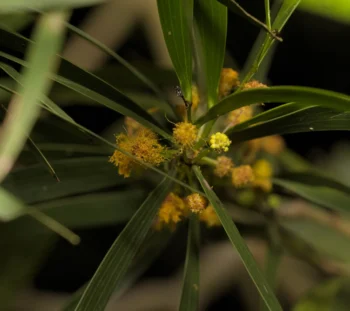
Small Philippine Acacia: A Fast-Growing Tropical Beauty
Meet the small Philippine acacia (Acacia confusa), a striking tree that’s been making its mark across tropical landscapes from Hawaii to Palau. While this perennial beauty isn’t native to these Pacific islands, it has certainly found a comfortable home in warm, sunny climates where it can show off its golden blooms and graceful form.
What Makes This Tree Special?
Don’t let the name small fool you – this acacia is anything but tiny! As a true tree, the small Philippine acacia typically reaches heights of 13-16 feet or more, developing a sturdy single trunk that can branch out under certain conditions. What really catches the eye are those gorgeous golden-yellow flower clusters that appear like tiny pom-poms scattered across the feathery, compound leaves.
The fragrant blooms aren’t just pretty to look at – they’re also magnets for bees and other pollinators, making this tree a buzzing hub of activity during flowering season. The delicate, bipinnate foliage creates a soft, tropical texture that sways beautifully in ocean breezes.
Where You’ll Find It Growing
Originally hailing from Taiwan, southern China, and Southeast Asia, Acacia confusa has established itself as a non-native resident in Hawaii, Guam, and Palau. It reproduces on its own in these locations and has proven quite adaptable to Pacific island conditions.
- Species observed
- No observations
Is This Tree Right for Your Garden?
The small Philippine acacia thrives in USDA hardiness zones 9-11, making it perfect for tropical and subtropical gardens. Here’s what makes it appealing:
- Fast growth rate for quick landscape impact
- Drought tolerance once established
- Excellent for coastal areas and erosion control
- Works well as a shade tree or windbreak
- Attracts beneficial pollinators
In Hawaii, this species typically grows in upland areas rather than wetlands, preferring well-draining soils and full sun exposure.
Growing Your Small Philippine Acacia
If you’re considering adding this tree to your landscape, here’s how to help it thrive:
- Location: Choose a spot with full sun and good drainage
- Soil: Well-draining soil is essential – this tree doesn’t like wet feet
- Watering: Regular watering when young, but drought-tolerant once established
- Maintenance: Minimal pruning needed; mainly remove dead or damaged branches
- Spacing: Allow plenty of room for mature size
A Word About Native Alternatives
While Acacia confusa can be a lovely addition to tropical gardens, it’s worth considering native alternatives that provide similar benefits while supporting local ecosystems. Native trees often require less water and care while providing better habitat for local wildlife. Check with your local native plant society or extension office for recommendations specific to your area.
The Bottom Line
The small Philippine acacia offers fast growth, beautiful blooms, and tropical appeal for warm-climate gardeners. While it’s not native to the Pacific islands where it’s commonly grown, it can be a reasonable choice for those seeking a quick-growing ornamental tree. Just remember to research native options first – you might find an even better match for your garden that also supports local wildlife!