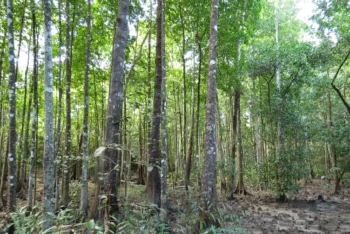
Smallflower Bruguiera: A Tropical Mangrove Tree for Wetland Gardens
If you’re dreaming of creating a tropical wetland oasis in your Hawaii garden, you might have stumbled across the smallflower bruguiera (Bruguiera parviflora). This intriguing mangrove tree brings a touch of Southeast Asian coastal beauty to appropriate landscapes, though it comes with some very specific needs that make it quite the particular houseguest!
What is Smallflower Bruguiera?
Smallflower bruguiera is a perennial tree that typically grows 13-16 feet tall, though it can reach greater heights under ideal conditions. As its name suggests, this mangrove species produces small, yellowish flowers that add subtle charm to its glossy green foliage. Don’t let the small in its name fool you though – this tree makes a substantial presence in any landscape where it thrives.
Native Status and Distribution
Here’s where things get interesting: while smallflower bruguiera has made itself quite at home in Hawaii, it’s actually a newcomer from Southeast Asia, including Malaysia, Thailand, and northern Australia. It’s what botanists call a naturalized species – meaning it arrived as an introduction but now reproduces on its own in Hawaiian wetlands.
- Species observed
- No observations
The Wetland Specialist
This tree is what we call an obligate wetland species, which is a fancy way of saying it absolutely, positively must have its feet wet nearly all the time. We’re talking consistently waterlogged soils – the kind of conditions that would make most plants throw in the towel (or should we say, throw in the soggy towel?).
Growing Conditions and Care
If you’re considering adding smallflower bruguiera to your landscape, here are the non-negotiable requirements:
- Climate: USDA hardiness zones 10-11 only – this tree needs tropical warmth year-round
- Soil: Consistently wet to waterlogged conditions; tolerates saltwater
- Location: Coastal properties or constructed wetland gardens
- Maintenance: Minimal once established, but requires constant moisture
Is This Tree Right for Your Garden?
Smallflower bruguiera could be perfect if you:
- Live in tropical Hawaii with access to consistent water
- Have a wetland garden or coastal property
- Want to create habitat for insects and small pollinators
- Appreciate unique, tropical landscape elements
However, you might want to look elsewhere if you:
- Live outside of zones 10-11
- Don’t have access to constant water or wetland conditions
- Prefer lower-maintenance plants
- Want to stick strictly to native Hawaiian species
Native Alternatives to Consider
While smallflower bruguiera can be a interesting addition to appropriate Hawaiian landscapes, you might also consider native Hawaiian wetland trees that provide similar benefits while supporting local ecosystems. Research native options that naturally belong in Hawaiian wetlands for the most sustainable landscape choices.
The Bottom Line
Smallflower bruguiera is definitely not your average backyard tree – it’s a specialist that demands specific conditions but rewards patient gardeners with unique tropical beauty. If you have the right wetland conditions and live in tropical Hawaii, this naturalized species can add an interesting element to your landscape. Just remember: this tree’s motto is location, location, location – and that location better be wet!