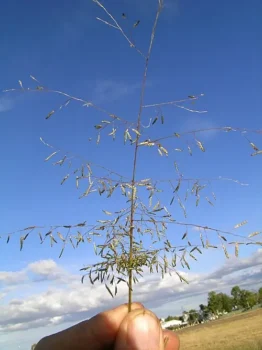
Smallflower Lovegrass: A Delicate Non-Native Grass for Warm Climates
Meet smallflower lovegrass (Eragrostis parviflora), a petite grass species that has quietly made itself at home in Hawaii’s landscapes. This fine-textured annual or perennial grass might not be a showstopper, but it has its own subtle charm that some gardeners find appealing.
What Is Smallflower Lovegrass?
Smallflower lovegrass is a member of the grass family (Poaceae) that can behave as either an annual or perennial depending on growing conditions. True to its name, this grass produces tiny, delicate flowers arranged in airy seed heads that dance gracefully in the breeze. Its fine-textured foliage creates a soft, naturalistic appearance that blends well into informal landscape settings.
Where Does It Grow?
Originally hailing from tropical and subtropical regions of Africa, Asia, and Australia, smallflower lovegrass has established itself in Hawaii, where it now reproduces naturally without human intervention. The plant has adapted well to the island’s warm climate and can persist year-round in suitable conditions.
- Species observed
- No observations
Garden Appeal and Landscape Role
While smallflower lovegrass won’t win any beauty contests, it does offer some understated garden value:
- Creates soft, naturalistic texture in informal plantings
- Works as a filler grass or groundcover in appropriate climates
- Provides movement and gentle sound when breezes rustle through the foliage
- Requires minimal maintenance once established
This grass fits best in casual, naturalized garden settings rather than formal landscapes. It’s particularly suited for tropical and subtropical gardens where a relaxed, wild look is desired.
Growing Conditions and Care
Smallflower lovegrass is remarkably adaptable and low-maintenance:
- Climate: Thrives in USDA zones 9-11 (tropical/subtropical)
- Sunlight: Prefers full sun to partial shade
- Soil: Tolerates poor soils and drought conditions once established
- Water: Minimal water requirements after establishment
- Fertilizer: Little to no fertilization needed
Wildlife and Pollinator Benefits
As a grass, smallflower lovegrass is primarily wind-pollinated, so it offers limited value to pollinators like bees and butterflies. However, its seeds may provide food for some bird species, contributing modestly to local wildlife support.
Should You Plant It?
Here’s the thing about smallflower lovegrass: it’s a non-native species that has naturalized in Hawaii. While it’s not currently listed as invasive, introducing non-native plants always carries some ecological risk. If you’re gardening in Hawaii and this grass is already present in your area, there’s no harm in allowing it to persist if you appreciate its subtle qualities.
However, if you’re looking to support local ecosystems, consider these native Hawaiian alternatives instead:
- Native Hawaiian grasses like aki aki (Sporobolus virginicus)
- Indigenous sedges that provide similar fine texture
- Native groundcover plants that offer comparable low-maintenance appeal
The Bottom Line
Smallflower lovegrass is a quiet, unassuming grass that won’t cause garden drama but won’t steal the show either. It’s perfectly adequate for gardeners in warm climates who want a low-maintenance, naturalistic grass element. Just remember that choosing native plants whenever possible helps support local wildlife and maintains the unique character of your regional landscape.
If you do decide to work with smallflower lovegrass, you’ll find it refreshingly easy to grow – sometimes a little too easy, as it may self-seed more than you’d like. But for gardeners seeking a no-fuss grass option in tropical climates, it certainly fits the bill.