Smallflower Sweetbrier: A European Rose That’s Made Itself at Home
If you’ve ever wandered through an old field or along a country roadside and caught a whiff of sweet, apple-scented fragrance, you might have encountered smallflower sweetbrier (Rosa micrantha). This charming little rose has quite the story – it’s a European native that packed its bags and decided to make North America its second home.
What Exactly Is Smallflower Sweetbrier?
Smallflower sweetbrier is a perennial shrub that stays refreshingly compact compared to its more boisterous rose relatives. True to its name, this little beauty rarely grows taller than 1.5 feet, and even at its most ambitious, it won’t exceed 3 feet in height. Think of it as the cottage garden rose that knows how to mind its manners – mostly.
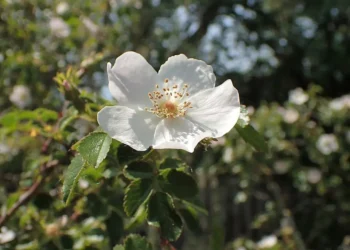
The smallflower part of its name isn’t just marketing – the delicate pink or white blooms typically measure just 2-3 centimeters across. But what they lack in size, they make up for in fragrance and charm. The flowers appear in late spring to early summer, followed by small red rose hips that add autumn interest.
Where You’ll Find It Growing Wild
This adaptable little rose has established itself across a impressive range of North American locations. You can find Rosa micrantha growing in Nova Scotia, Ontario, Prince Edward Island, Quebec, and throughout much of the eastern United States, with outposts as far west as Oregon, Washington, and Texas. It’s quite the traveler!
- Species observed
- No observations
The Non-Native Reality Check
Let’s address the elephant in the garden: smallflower sweetbrier isn’t a North American native. It’s what botanists call a naturalized species – meaning it arrived from elsewhere (Europe and western Asia, in this case) but has settled in and reproduces on its own without human help. While it’s not currently listed as invasive in most areas, it’s worth considering native alternatives if you’re focused on supporting local ecosystems.
Should You Plant It in Your Garden?
The answer depends on what you’re looking for. Smallflower sweetbrier works well if you want:
- A low-maintenance, compact rose for informal settings
- Fragrant flowers that attract pollinators like bees
- Rose hips for birds and autumn interest
- A tough plant that can handle less-than-perfect conditions
However, you might want to skip it if you prefer formal garden settings or are concerned about planting non-native species. In that case, consider native alternatives like wild roses (Rosa arkansana or Rosa woodsii) or other native shrubs that offer similar benefits.
Growing Conditions and Care
One of smallflower sweetbrier’s most appealing traits is its easygoing nature. This rose thrives in USDA hardiness zones 4-8, making it suitable for much of temperate North America.
Light: Prefers full sun but tolerates partial shade reasonably well.
Soil: Not fussy about soil type – it’ll grow in everything from sandy to clay soils. Good drainage is appreciated but not absolutely essential.
Water: Drought tolerant once established, though it appreciates occasional watering during extended dry spells.
Wetland Status: Classified as Facultative Upland in most regions, meaning it usually prefers drier sites but can tolerate some moisture. In western mountain areas, it’s considered Obligate Upland and really prefers to keep its feet dry.
Planting and Care Tips
Getting smallflower sweetbrier established is pretty straightforward:
- Plant in spring after the last frost
- Space plants 3-4 feet apart if you’re planting multiple shrubs
- Water regularly the first year, then let nature take over
- Prune lightly in late winter to maintain shape and remove any dead wood
- Watch for its tendency to spread – it can be more aggressive than you might expect
Fair warning: like many roses, this one comes with thorns, so wear gloves when handling and consider its placement carefully if you have kids or pets who might wander into it.
Wildlife and Pollinator Benefits
Despite being non-native, smallflower sweetbrier does offer some benefits to local wildlife. The flowers attract bees and other pollinators during their blooming period, and the rose hips provide food for birds in fall and winter. It’s not going to replace native plants in terms of supporting local ecosystems, but it’s not completely without merit either.
The Bottom Line
Smallflower sweetbrier is like that charming foreign exchange student who ended up staying permanently – it’s adapted well to life in North America and can certainly earn its place in the right garden setting. If you’re looking for a low-maintenance, compact rose for an informal landscape and aren’t concerned about its non-native status, it might be worth considering. Just remember to keep an eye on its spreading tendencies, and consider whether a native alternative might serve your garden – and local wildlife – even better.