Smilograss: A Mediterranean Grass for Modern Gardens
If you’re looking for a low-maintenance grass that brings a touch of Mediterranean charm to your landscape, you might want to get acquainted with smilograss (Piptatherum miliaceum). This perennial grass has quietly made itself at home in gardens across several U.S. states, offering gardeners an easy-care option for adding texture and movement to their outdoor spaces.
What is Smilograss?
Smilograss is a perennial grass that originally hails from the Mediterranean region. You might also encounter it under its former scientific names, including Oryzopsis miliacea or Stipa miliacea, as botanists have reclassified this plant over the years. It belongs to the diverse family of grasses and grass-like plants that includes everything from lawn grasses to ornamental sedges.
This non-native species has established itself in eight U.S. states: Arizona, California, Idaho, Maryland, Nevada, New Jersey, Pennsylvania, and Utah. It reproduces on its own in the wild and has proven quite adaptable to various American growing conditions.
- Species observed
- No observations
Garden Appeal and Landscape Role
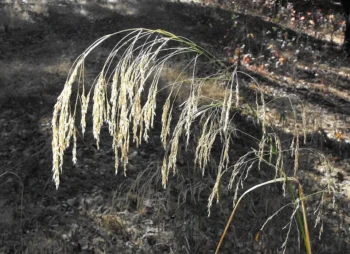
What makes smilograss appealing to gardeners is its understated elegance. This medium-height grass produces delicate, open seed heads that dance gracefully in the breeze, adding subtle movement and texture to garden beds. The fine-textured foliage creates a soft backdrop for showier plants while maintaining visual interest throughout the growing season.
In landscape design, smilograss works particularly well in:
- Mediterranean-style gardens
- Xeriscaping and drought-tolerant landscapes
- Naturalized areas and meadow gardens
- Low-maintenance groundcover applications
Growing Conditions and Care
One of smilograass’s biggest selling points is its easy-going nature. This grass thrives in USDA hardiness zones 7 through 10, making it suitable for much of the southern and western United States.
For successful growth, provide:
- Full sun to partial shade (though it performs best in sunny locations)
- Well-drained soil (it’s quite tolerant of poor soils)
- Minimal water once established
The drought tolerance of smilograss makes it particularly valuable in water-wise gardens. Once established, it requires very little supplemental irrigation, even during dry spells. This resilience comes from its Mediterranean origins, where plants must survive hot, dry summers.
Planting and Maintenance
Smilograss is refreshingly low-maintenance. Plant it in spring or fall, giving each clump enough space to spread naturally. Water regularly during the establishment period, then gradually reduce irrigation as the grass becomes established.
Ongoing care is minimal – an annual cleanup in late winter or early spring to remove old foliage is typically all that’s needed. Be aware that smilograss can self-seed readily, so you may find new plants appearing in your garden over time.
Wildlife and Pollinator Considerations
As a wind-pollinated grass, smilograss doesn’t offer the same nectar and pollen resources that flowering plants provide to bees and butterflies. However, like many grasses, it may provide some habitat value for small wildlife and insects.
A Word About Native Alternatives
While smilograss can be a useful addition to the right garden, it’s worth considering native grass alternatives that provide similar aesthetic appeal while supporting local ecosystems. Depending on your region, native bunch grasses like little bluestem, buffalo grass, or various needlegrasses might offer comparable beauty with greater ecological benefits.
Native plants have evolved alongside local wildlife and are often better adapted to regional growing conditions, requiring even less maintenance once established. They also support native insects, birds, and other wildlife in ways that non-native species typically cannot match.
The Bottom Line
Smilograss can be a practical choice for gardeners seeking a drought-tolerant, low-maintenance grass for Mediterranean or xeriscape gardens. Its adaptability and easy care make it suitable for busy gardeners or challenging growing sites. However, before planting, consider whether a native grass species might serve your garden’s needs while also supporting local wildlife. Either way, you’ll be adding texture, movement, and year-round structure to your landscape with minimal fuss.