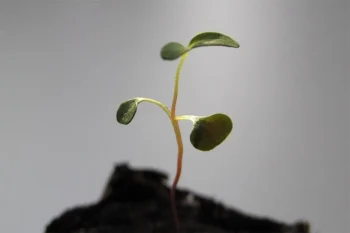
Smithton Peppermint Gum: A Tasmanian Beauty for Your Garden
Meet the Smithton peppermint gum (Eucalyptus nitida), a charming eucalyptus species that brings a touch of Tasmania’s wild beauty to gardens around the world. This distinctive tree, also known by its botanical synonym Eucalyptus simmondsii, offers gardeners something special: the classic eucalyptus appeal in a more manageable package.
Where Does It Come From?
The Smithton peppermint gum is a true Tasmanian native, hailing specifically from the northwestern regions of Australia’s island state, particularly around the town of Smithton. This relatively localized distribution makes it a unique addition to any garden, carrying with it the wild spirit of Tasmania’s temperate forests.
What Makes It Special?
This eucalyptus stands out with its smooth, creamy-white bark that peels away in attractive ribbons, revealing fresh bark beneath. The aromatic leaves range from blue-green to silvery, creating a beautiful contrast against the pale trunk. In spring and summer, clusters of creamy-white flowers appear, filling the air with a subtle fragrance and attracting bees and other beneficial pollinators to your garden.
As a medium-sized tree, the Smithton peppermint gum typically reaches heights of 30-50 feet with a spread of 20-30 feet, making it more garden-friendly than some of its towering eucalyptus cousins.
Is It Right for Your Garden?
The Smithton peppermint gum works beautifully as:
- A striking specimen tree in larger gardens
- Part of a Mediterranean or Australian-themed landscape
- A natural windbreak or privacy screen
- An accent tree in parks or commercial landscapes
Keep in mind that this tree isn’t native to North America, so while it can be a stunning addition to the right garden, consider incorporating native alternatives alongside it to support local ecosystems.
Growing Conditions and Care
This Tasmanian native thrives in USDA hardiness zones 8-10, preferring:
- Full sun exposure
- Well-draining soil (it’s quite tolerant of different soil types)
- Moderate to low water once established
- Protection from strong winds when young
Planting and Care Tips
When planting your Smithton peppermint gum:
- Choose a location with plenty of space for mature growth
- Plant in spring for best establishment
- Water regularly during the first few years until roots are well-established
- Prune lightly in late winter to maintain shape if desired
- Mulch around the base to retain moisture and suppress weeds
Wildlife and Pollinator Benefits
The flowers of the Smithton peppermint gum are a magnet for bees, making it a valuable addition for gardeners interested in supporting pollinators. The tree also provides shelter and nesting sites for various birds, though native North American species may prefer indigenous trees for food sources.
The Bottom Line
The Smithton peppermint gum can be a wonderful addition to the right garden – one with space, appropriate climate conditions, and an appreciation for unique, aromatic trees. While it’s not native to North America, it’s not typically considered invasive either. If you’re drawn to its distinctive bark and aromatic foliage, just remember to balance your landscape with native plants that support local wildlife. After all, the best gardens celebrate both global garden treasures and homegrown heroes!