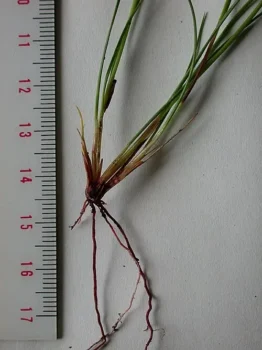
Smooth Bogrush: A Wetland Sedge for Hawaiian Gardens
Meet the smooth bogrush (Schoenus apogon), a perennial sedge that’s made itself quite at home in Hawaii’s wetland environments. While this grass-like plant might not win any beauty contests, it serves an important ecological role in wet landscapes and could be just what your rain garden or pond margin needs.
What is Smooth Bogrush?
Smooth bogrush is a hardy perennial sedge that forms dense, tufted clumps of narrow, dark green leaves. Don’t let the name fool you – despite being called a rush, it’s actually a member of the sedge family (Cyperaceae). The plant produces small, brownish flower clusters on tall stems that sway gently in the breeze, creating subtle movement in the landscape.
Where Does It Come From?
Originally from Australia and New Zealand, smooth bogrush has established itself as a naturalized resident of Hawaii. It’s what botanists call a non-native species that reproduces on its own and persists without human intervention. Currently, it’s found throughout the Hawaiian Islands.
- Species observed
- No observations
Is It Right for Your Garden?
Smooth bogrush is an obligate wetland plant, meaning it almost always occurs in wetlands and requires consistently moist to wet conditions. If you’re working with a challenging wet spot in your landscape, this sedge might be worth considering. Here’s what makes it appealing:
- Thrives in areas where many plants struggle
- Low maintenance once established
- Provides habitat structure in wetland environments
- Helps with erosion control near water features
However, since it’s not native to Hawaii, you might want to consider native sedge alternatives that provide similar benefits while supporting local ecosystems.
Growing Conditions and Care
If you decide to grow smooth bogrush, here’s what it needs to thrive:
- Light: Full sun to partial shade
- Soil: Consistently moist to wet soils; tolerates temporary flooding
- Hardiness: Best suited for USDA zones 9-11
- Water: Requires constant moisture – not drought tolerant
Planting and Care Tips
Plant smooth bogrush in spring when temperatures are mild. Choose a location that stays consistently moist, such as:
- Rain garden depressions
- Pond or stream margins
- Bog gardens
- Areas with poor drainage
Once established, this sedge is remarkably low-maintenance. It doesn’t require fertilization and actually prefers nutrient-poor conditions typical of wetland environments.
Landscape Uses
Smooth bogrush works best in naturalized, informal landscapes rather than formal garden settings. Consider using it in:
- Wetland restoration projects
- Bioswales and stormwater management areas
- Wildlife habitat gardens near water
- Erosion control on wet slopes
Wildlife and Pollinator Benefits
As a wind-pollinated sedge with inconspicuous flowers, smooth bogrush doesn’t offer much for pollinators. However, it does provide habitat structure for small wildlife and birds that utilize wetland environments.
Consider Native Alternatives
While smooth bogrush can serve a purpose in appropriate settings, consider exploring native Hawaiian sedges and wetland plants that offer similar benefits while supporting local ecosystems. Native plants often provide better wildlife value and are better adapted to local conditions.
The Bottom Line
Smooth bogrush is a practical choice for challenging wet sites where you need a tough, low-maintenance plant. While it won’t be the star of your garden, it quietly does its job of stabilizing soil and thriving where other plants might struggle. Just remember to explore native alternatives first – your local wildlife will thank you for it!