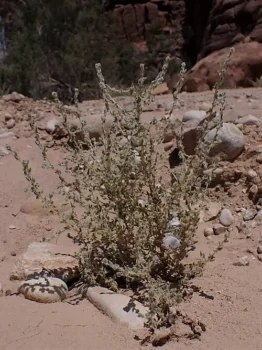
Smotherweed (Bassia): What Every Gardener Should Know About This Non-Native Annual
If you’ve stumbled across the name smotherweed in your gardening research, you might be wondering whether this plant deserves a spot in your landscape. The common name alone gives us a pretty big hint about this plant’s reputation! Let’s dive into what Bassia, commonly known as smotherweed, is all about and why most gardeners choose to skip it.
What Is Smotherweed?
Bassia is an annual plant that belongs to the goosefoot family. Originally from Eurasia, this non-native species has made itself quite at home across North America, spreading to virtually every U.S. state and several Canadian provinces. You might also see it referred to by its scientific synonym, Kochia.
True to its name, smotherweed is a low-growing annual that typically stays under 1.5 feet tall, though it can occasionally reach up to 3 feet at maturity. It’s what botanists call a subshrub – essentially a small, somewhat woody plant that acts more like an herb.
Where You’ll Find Smotherweed
This adaptable little plant has spread far and wide across North America. You can find Bassia growing in states from coast to coast, including Alberta, British Columbia, Manitoba, New Brunswick, Arizona, California, Ontario, Colorado, Connecticut, Quebec, Delaware, Saskatchewan, Hawaii, and virtually every other state and province. It’s particularly established in Canada and Hawaii, where it reproduces freely in the wild without any human assistance.
- Species observed
- No observations
Why Most Gardeners Avoid Smotherweed
Here’s the thing about smotherweed – it’s not exactly what you’d call garden-worthy. This plant tends to show up in disturbed soils and areas where other plants struggle, which tells us a lot about its character. While we don’t have definitive data on its invasive status everywhere, its widespread distribution and ability to thrive without help suggests it can be quite aggressive.
From an aesthetic standpoint, smotherweed isn’t going to win any beauty contests. It produces tiny, inconspicuous greenish flowers and has a rather weedy appearance that most gardeners find unappealing.
Growing Conditions (If You Must)
Should you find yourself dealing with smotherweed that’s already established, it’s helpful to understand its preferences. This hardy annual thrives in:
- Full sun locations
- Poor, disturbed soils
- Drought conditions
- Areas with minimal competition from other plants
It’s remarkably adaptable to various USDA hardiness zones, typically growing in zones 3-9, though as an annual, it completes its entire life cycle in one growing season regardless of zone.
Wildlife and Pollinator Value
Unfortunately, smotherweed doesn’t offer much in terms of wildlife benefits. Its flowers are wind-pollinated rather than designed to attract beneficial insects, so it won’t contribute to your pollinator garden goals.
Better Native Alternatives
Instead of working with smotherweed, consider these native alternatives that offer similar drought tolerance but with much better garden value:
- Native bunch grasses for texture and movement
- Local wildflowers that support pollinators
- Indigenous shrubs suited to your specific region
- Native groundcovers that provide better erosion control
The Bottom Line
While smotherweed isn’t officially listed as invasive everywhere, its aggressive spreading habit and lack of ornamental or ecological value make it a poor choice for intentional cultivation. If you’re dealing with existing smotherweed on your property, focus on establishing more desirable native plants that will gradually outcompete it while providing genuine benefits to your local ecosystem.
Remember, every plant we choose for our gardens is a vote for the kind of landscape we want to create. Why not cast that vote for native species that support local wildlife and create truly beautiful, sustainable gardens?