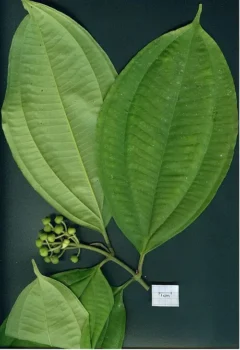
Snailwood (Conostegia): What You Need to Know About This Tropical Tree
If you’ve stumbled across the name snailwood or its botanical moniker Conostegia, you might be wondering whether this tree deserves a spot in your landscape. Let’s dive into what makes this perennial woody plant tick and whether it’s the right choice for your garden.
What Is Snailwood?
Snailwood (Conostegia) is a perennial tree that typically grows as a single-stemmed woody plant reaching heights of 13 to 16 feet or more. Like many trees, it can sometimes develop a multi-stemmed growth form or stay shorter than usual depending on environmental conditions. Think of it as nature’s way of adapting to whatever life throws its way!
Where Does Snailwood Come From?
Here’s where things get interesting: while Conostegia grows in Puerto Rico, it’s actually not native to the area. This tree is what botanists call an introduced species – meaning it arrived from somewhere else but has made itself quite at home, reproducing on its own without any help from humans.
- Species observed
- No observations
Should You Plant Snailwood?
The decision to plant snailwood isn’t exactly straightforward. Since it’s non-native but not classified as invasive or problematic, you won’t find plant police knocking at your door if you choose to grow it. However, there are a few things to consider:
- Limited information is available about its specific growing requirements and care needs
- Its wildlife and pollinator benefits aren’t well-documented
- As a non-native species, it may not provide the same ecological benefits as indigenous plants
Native Alternatives Worth Considering
If you’re gardening in Puerto Rico or similar tropical climates, you might want to explore native tree options instead. Native plants typically offer better support for local wildlife, are adapted to local growing conditions, and help maintain the natural character of your region’s landscape.
The Bottom Line
Snailwood remains something of a botanical mystery in terms of specific cultivation information. While it’s established itself in Puerto Rico and appears to be a hardy perennial tree, the lack of detailed growing information makes it a bit of a wild card for home gardeners.
If you’re drawn to this species, consider reaching out to local botanical gardens, extension offices, or native plant societies for more region-specific advice. They might have hands-on experience with Conostegia that isn’t widely documented yet.
For most gardeners, especially those interested in supporting local ecosystems, focusing on well-documented native alternatives will likely yield better results and provide more predictable outcomes in your landscape design.