Sneezeweed: A Hardy Perennial with a Quirky Name
Don’t let the name fool you – sneezeweed (Achillea ptarmica) won’t actually make you sneeze! This charming perennial gets its amusing moniker from historical uses rather than any nasal irritation it might cause. With its clusters of small white flowers and feathery foliage, sneezeweed has found its way into gardens across North America, though it’s not originally from our neck of the woods.
What Exactly is Sneezeweed?
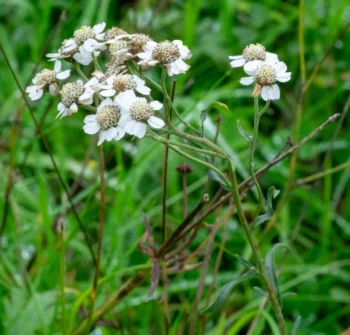
Sneezeweed is a hardy perennial forb – basically a non-woody herbaceous plant that comes back year after year. Standing typically 1-2 feet tall, this member of the aster family produces dense clusters of small, white, daisy-like flowers that bloom from summer into early fall. The narrow, lance-shaped leaves give the plant a delicate, almost feathery appearance that adds texture to garden beds.
Where Does It Come From?
Originally hailing from Europe and western Asia, sneezeweed is considered a non-native species throughout North America. However, it has naturalized extensively and now grows wild across much of Canada, Alaska, and the northern United States. You’ll find established populations in states from Maine to Washington, and throughout most Canadian provinces.
- Species observed
- No observations
Should You Plant Sneezeweed in Your Garden?
Here’s where things get interesting. Sneezeweed is one of those plants that can be both a blessing and a bit of a handful. On the positive side, it’s incredibly tough and adaptable, thriving in conditions where other plants might struggle. It’s also quite attractive to pollinators, drawing bees and butterflies to its abundant small flowers.
However, there are some considerations to keep in mind:
- It spreads aggressively through underground rhizomes
- Can become weedy in ideal conditions
- May outcompete native plants in naturalized areas
- Requires management to prevent unwanted spread
Growing Conditions and Care
If you decide to give sneezeweed a try, you’ll find it refreshingly low-maintenance. This tough little plant is remarkably adaptable:
- Hardiness: Thrives in USDA zones 2-8
- Light: Full sun to partial shade
- Soil: Prefers moist to wet conditions but tolerates various soil types
- Water: Enjoys consistent moisture but can handle some drought once established
The plant has a Facultative Upland wetland status, meaning it usually grows in non-wetland areas but can tolerate wet conditions – making it quite versatile for different garden situations.
Planting and Maintenance Tips
Growing sneezeweed is pretty straightforward, but here are some tips to keep it happy (and under control):
- Plant in spring after the last frost
- Space plants about 18 inches apart
- Divide clumps every 2-3 years to prevent overcrowding
- Consider installing root barriers if you want to contain its spread
- Deadhead spent flowers to encourage continued blooming
- Cut back in late fall or early spring
Garden Design Ideas
Sneezeweed works well in several garden settings:
- Cottage gardens where its informal spreading habit fits right in
- Rain gardens or areas with poor drainage
- Naturalized meadow areas (with careful management)
- As ground cover in challenging spots
Consider Native Alternatives
While sneezeweed can be a useful garden plant, you might also consider native alternatives that provide similar benefits without the potential for aggressive spreading. Depending on your region, native options might include wild bergamot, New England aster, or native yarrow species that offer comparable pollinator benefits and garden appeal.
The Bottom Line
Sneezeweed is a hardy, adaptable perennial that can add charm to the right garden setting. Its main appeal lies in its toughness and pollinator-friendly flowers. Just remember that this European native can be quite the spreader, so approach it with a plan for management. Whether you choose to grow it or opt for native alternatives, the key is selecting plants that work well in your specific garden conditions and align with your gardening goals.