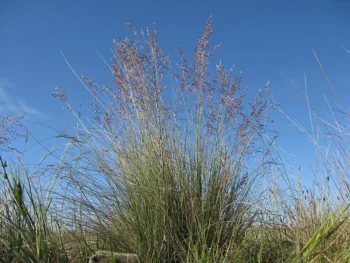
Snow Grass: Australia’s Hardy Native Ornamental Grass
If you’re looking for a tough, drought-tolerant grass that brings a touch of the Australian outback to your garden, snow grass (Poa sieberiana) might just be your new best friend. This resilient native Australian grass has been quietly winning over gardeners with its silvery-green tufts and no-fuss attitude toward life.
What is Snow Grass?
Snow grass is a perennial tussock grass that’s as hardy as they come. Also known by its synonym Poa australis, this member of the Poaceae family forms attractive clumps of fine, arching foliage that shimmer in the breeze. Don’t let the name fool you – while it can handle cold temperatures, it’s equally at home in warmer climates.
Where Does Snow Grass Come From?
This grass is a true blue Australian native, naturally occurring in the southeastern regions of the continent, particularly in alpine and subalpine areas. It’s one of those plants that has adapted to Australia’s challenging conditions over thousands of years, making it incredibly resilient in garden settings.
Why Choose Snow Grass for Your Garden?
Snow grass brings several appealing qualities to the table:
- Drought tolerance once established – perfect for water-wise gardening
- Attractive blue-green to silver-green foliage that adds texture and movement
- Low maintenance requirements
- Excellent for erosion control on slopes
- Suitable for contemporary and native garden designs
The grass forms neat tussocks that work beautifully as accent plants, groundcover, or in mass plantings. Its fine texture contrasts nicely with broader-leafed plants, making it a valuable design element in modern landscapes.
Growing Conditions and Care
One of snow grass’s best features is its easygoing nature. Here’s what it needs to thrive:
- Soil: Well-drained soils are essential – this grass doesn’t like wet feet
- Sun exposure: Full sun to partial shade
- Water: Drought tolerant once established, but benefits from occasional deep watering during extended dry periods
- Climate: Suitable for USDA zones 7-10, though it’s worth checking with local nurseries about availability in your area
Planting and Maintenance Tips
Getting snow grass established in your garden is refreshingly straightforward:
- Plant in spring when temperatures are mild
- Ensure excellent drainage – amend heavy clay soils with compost or sand
- Space plants according to desired coverage (closer for groundcover effect, farther apart for individual specimens)
- Water regularly during the first growing season to establish roots
- Once established, minimal care is needed beyond occasional trimming of old foliage
Wildlife and Environmental Benefits
As a native Australian grass, Poa sieberiana provides habitat and food sources for local wildlife in its native range. While it’s wind-pollinated and doesn’t specifically attract pollinators, it contributes to the overall ecosystem health by providing shelter for small creatures and helping prevent soil erosion.
Is Snow Grass Right for Your Garden?
Snow grass is an excellent choice if you’re gardening in Australia or similar climates and want a low-maintenance, water-wise plant with year-round appeal. Its architectural form makes it perfect for contemporary landscapes, native gardens, or anywhere you want to add texture without fuss.
If you’re gardening outside of Australia, check with local native plant societies about appropriate native grass alternatives that will provide similar benefits while supporting your local ecosystem. Every region has its own beautiful native grasses that have evolved to thrive in local conditions.
Whether you’re creating a drought-tolerant landscape, looking for erosion control solutions, or simply want to add some Australian flair to your garden, snow grass offers a perfect blend of beauty and resilience that’s hard to beat.