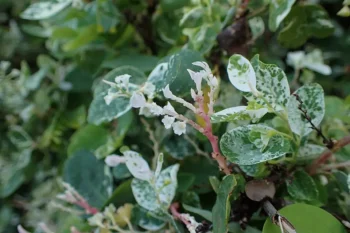
Snowbush: A Colorful Non-Native Shrub for Warm Climate Gardens
If you’re looking to add a splash of color to your warm-climate garden, you might have come across the eye-catching snowbush. This perennial shrub, scientifically known as Breynia disticha, has made quite a name for itself in tropical and subtropical landscapes with its stunning variegated foliage that looks like it’s been painted with nature’s own brush.
What Is Snowbush?
Snowbush is a multi-stemmed woody shrub that typically grows to about 13-16 feet tall, though it’s usually kept much smaller in garden settings. You might also see it listed under its synonyms Breynia nivosa or Phyllanthus nivosus in some older gardening references. What makes this plant special is its gorgeous foliage – small, rounded leaves splashed with green, white, and pink that create a snow-dusted appearance, hence the common name.
Where Does Snowbush Come From?
Originally hailing from Pacific islands and Southeast Asia, snowbush is not native to the United States. However, it has established itself as a non-native species that reproduces naturally in several U.S. territories and states, including Florida, Hawaii, Puerto Rico, Guam, and Palau. The plant has adapted well to these warm climates and can persist without human intervention.
- Species observed
- No observations
Should You Plant Snowbush in Your Garden?
The answer depends on your gardening goals and location. Here are some things to consider:
The Good
- Stunning variegated foliage provides year-round color
- Relatively easy to grow in appropriate climates
- Works well as a hedge, accent plant, or in containers
- Thrives in USDA hardiness zones 9b through 11
The Considerations
- It’s not native to the U.S., so it won’t support local ecosystems as effectively as native plants
- Limited information about its benefits to pollinators and wildlife
- Only suitable for warm climates – won’t survive frost
Growing Conditions and Care
If you decide to grow snowbush, here’s what it needs to thrive:
Light and Location
Snowbush performs best in full sun to partial shade. The more sun it gets, the more vibrant its foliage colors will be. It’s particularly well-suited for tropical and subtropical gardens, coastal landscapes, and container growing.
Soil and Water
This adaptable shrub can handle different soil types, but it prefers well-draining soil. Interestingly, its water needs vary depending on location – in some regions like the Caribbean, it prefers drier, upland conditions, while in coastal areas, it can tolerate occasional wet conditions.
Care Tips
- Water regularly, especially during dry periods
- Prune to maintain desired shape and size
- Fertilize during the growing season for best foliage color
- Protect from frost – bring containers indoors in borderline zones
Native Alternatives to Consider
While snowbush can be a beautiful addition to warm-climate gardens, consider these native alternatives that provide similar ornamental value while supporting local wildlife:
- Beautyberry (Callicarpa americana) for colorful foliage and berries
- Coontie (Zamia integrifolia) for unique texture in Florida gardens
- Native hibiscus species for tropical appeal with pollinator benefits
The Bottom Line
Snowbush is an attractive ornamental shrub that can add wonderful color to warm-climate gardens. While it’s not native and may not provide the same ecological benefits as indigenous plants, it’s not considered invasive either. If you choose to grow it, you’ll have a relatively low-maintenance plant that delivers stunning visual impact. Just remember to balance your landscape with native species that support local wildlife and pollinators – your garden (and the local ecosystem) will thank you for it!