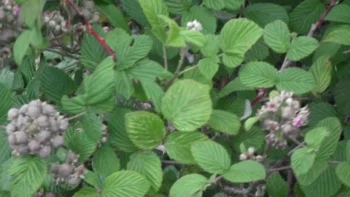
Snowpeaks Raspberry: A Himalayan Beauty for Your Garden
Meet the snowpeaks raspberry (Rubus niveus), a charming little shrub that brings a touch of Himalayan mountain magic to gardens in warmer climates. This petite member of the raspberry family offers delicate flowers, tiny edible berries, and an easygoing nature that makes it an interesting addition to the right garden setting.
What Is Snowpeaks Raspberry?
Snowpeaks raspberry is a low-growing perennial shrub that typically stays under 1.5 feet tall and never exceeds 3 feet at maturity. Originally from the mountainous regions of the Himalayas, Nepal, and parts of Asia, this non-native plant has found its way to warmer parts of the United States, where it naturalizes quite readily.
You might also see this plant listed under its synonym, Rubus albescens, but Rubus niveus is the accepted botanical name. The snowpeaks common name hints at its high-altitude origins in snowy mountain regions.
Where Does It Grow?
In the United States, snowpeaks raspberry has established itself in Florida and Hawaii, where the warm, subtropical conditions suit its preferences. As a non-native species, it reproduces on its own and tends to persist once established in these areas.
- Species observed
- No observations
Garden Appeal and Characteristics
What makes snowpeaks raspberry attractive to gardeners? Here are its standout features:
- Delicate white flowers that bloom periodically throughout the growing season
- Small, red to black aggregate berries that are technically edible (though quite small)
- Attractive compound leaves with serrated edges
- Low, spreading growth habit perfect for groundcover
- Flowers that attract bees, butterflies, and other small pollinators
Growing Conditions and Care
Snowpeaks raspberry is refreshingly low-maintenance once you understand its preferences:
Climate: Thrives in USDA hardiness zones 8-11, making it suitable for subtropical and tropical regions.
Light: Performs well in partial shade to full sun, though it appreciates some afternoon shade in very hot climates.
Soil: Prefers well-draining soil but isn’t particularly fussy about soil type.
Water: Needs regular watering during establishment, then becomes fairly drought-tolerant.
Maintenance: Minimal pruning needed; may spread via runners, so keep an eye on its expansion if space is limited.
Should You Plant Snowpeaks Raspberry?
This is where things get interesting. Snowpeaks raspberry can be a lovely addition to the right garden, especially if you’re looking for:
- Low-maintenance groundcover
- Plants that attract pollinators
- Edible landscaping elements
- Something unique for naturalized garden areas
However, since it’s non-native and tends to naturalize readily, consider whether native alternatives might better serve your garden’s ecological goals. In Florida, native options like beautyberry (Callicarpa americana) or firebush (Hamelia patens) offer similar low-maintenance appeal with greater benefits to local wildlife. In Hawaii, native ʻōhelo (Vaccinium reticulatum) provides berries and supports native ecosystems.
The Bottom Line
Snowpeaks raspberry is an easygoing, attractive little shrub that can work well in the right setting. While it’s not native to the United States, it doesn’t appear to be aggressively invasive either. If you choose to grow it, enjoy its delicate beauty and pollinator benefits, but also consider incorporating native plants that will provide even greater ecological value to your local environment.
Whether you go with snowpeaks raspberry or choose native alternatives, the key is creating a garden that brings you joy while supporting the natural world around you.