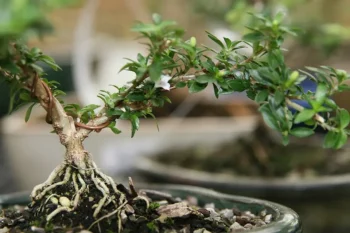
Snowrose (Serissa foetida): A Delicate Non-Native Charmer for Your Garden
If you’re looking for a petite, flowering shrub with an almost fairy-tale quality, you might find yourself enchanted by the snowrose. This small but mighty plant has captured the hearts of gardeners and bonsai enthusiasts worldwide, though it’s worth noting that this beauty isn’t a native to North American landscapes.
What Exactly Is Snowrose?
Snowrose, scientifically known as Serissa foetida, is a perennial shrub that typically stays quite compact, usually growing less than 4 to 5 meters in height. Don’t let the species name foetida put you off – while the leaves can have a slight odor when crushed, the plant more than makes up for it with its delicate charm. You might also see it referred to by its synonym, Serissa japonica.
This multi-stemmed woody plant produces tiny, star-shaped flowers that can be white or pink, creating a delightful contrast against its small, dark green leaves. It’s this combination that has made it a favorite among bonsai artists and container gardeners.
Where Does Snowrose Come From?
Originally native to Southeast Asia, including regions of China and Japan, snowrose has found its way into gardens around the world. In the United States, it has established itself in Hawaii, where it grows as a non-native species that reproduces spontaneously in the wild.
- Species observed
- No observations
Should You Plant Snowrose in Your Garden?
The decision to plant snowrose comes down to your specific gardening goals and location. Here are some considerations:
The Case for Growing Snowrose
- Excellent choice for container gardening and bonsai
- Compact size makes it perfect for small spaces
- Delicate flowers add charm to Asian-inspired garden designs
- Relatively easy to care for once established
- Great for rock gardens or as accent plants
Things to Keep in Mind
- It’s not native to North America, so it won’t provide the same ecological benefits as native plants
- Limited cold tolerance means it’s only suitable for warmer climates (USDA zones 9-11)
- May not attract as many local pollinators as native alternatives
Growing Conditions and Care
If you decide to give snowrose a try, here’s what you need to know about keeping it happy:
Light and Location
Snowrose performs best in partial shade to full sun conditions. In very hot climates, some afternoon shade can help prevent stress.
Soil Requirements
Well-draining soil is absolutely essential – this plant does not tolerate waterlogged conditions. A slightly acidic to neutral pH works best.
Watering
Keep the soil consistently moist but never soggy. Regular watering during dry spells is important, but always ensure good drainage.
Temperature Considerations
Being hardy only in zones 9-11, snowrose is quite frost-sensitive. In cooler climates, it’s best grown in containers that can be brought indoors during winter.
Planting and Maintenance Tips
- Plant in spring after the last frost date
- Space plants appropriately as they can spread through multiple stems
- Regular pruning helps maintain shape and encourages flowering
- Feed with a balanced fertilizer during the growing season
- Watch for common houseplant pests if growing in containers
- Protect from strong winds, which can damage the delicate branches
Consider Native Alternatives
While snowrose has its charms, you might also consider native shrubs that can provide similar aesthetic appeal while supporting local ecosystems. Depending on your region, native alternatives might include small flowering shrubs that attract local pollinators and provide habitat for native wildlife.
The Bottom Line
Snowrose can be a delightful addition to the right garden, particularly for those interested in container gardening, bonsai, or creating Asian-inspired landscapes. Just remember that as a non-native plant, it won’t contribute to local biodiversity the way native species do. If you’re in the right climate zone and looking for a charming, compact flowering shrub, snowrose might just win you over with its delicate beauty – just don’t expect it to become best friends with your local butterflies and birds the way a native plant would.