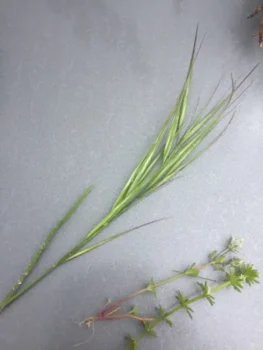
Soft Brome: Understanding This Non-Native Grass in North American Gardens
If you’ve stumbled across the name soft brome while researching grasses for your garden, you’ve encountered one of those plants that sits in a bit of a gray area. Bromus hordeaceus thominei, commonly known as soft brome, is an annual grass that has made its way into North American landscapes, though it didn’t start here.
What Exactly Is Soft Brome?
Soft brome is an annual grass that belongs to the broader Bromus family. You might also see it listed under its synonym, Bromus thominei Hardham ex Nyman, in some botanical references. As an annual, this grass completes its entire life cycle in one growing season – sprouting, growing, reproducing, and dying all within a year.
Where You’ll Find It Growing
This grass has established itself in several regions across North America, despite not being native to the continent. You can find soft brome growing in:
- British Columbia, Canada
- Connecticut
- Maine
- Massachusetts
- Rhode Island
The plant has managed to reproduce spontaneously in the wild and tends to persist in these areas without human intervention.
- Species observed
- No observations
Should You Plant Soft Brome in Your Garden?
Here’s where things get a bit tricky. While soft brome isn’t currently classified as invasive or noxious (at least in available records), its non-native status means it’s not providing the same ecological benefits that native grasses would offer to your local ecosystem.
Since many details about this particular grass remain unknown – including its specific growing conditions, wildlife benefits, and overall garden performance – it’s hard to make a strong case for or against it. However, as gardeners increasingly focus on supporting local ecosystems, you might want to consider native grass alternatives instead.
Native Alternatives to Consider
If you’re looking for annual grasses that will better support your local wildlife and ecosystem, consider researching native grass species in your region. Native plants have evolved alongside local wildlife and are typically better at:
- Supporting native birds, insects, and other wildlife
- Adapting to local climate conditions
- Requiring fewer resources once established
- Contributing to the health of local ecosystems
The Bottom Line
While soft brome isn’t necessarily harmful to plant, it’s one of those why not choose something better? situations. With so many beautiful native grasses available that offer clear benefits to wildlife and adapt well to local conditions, you might find more satisfaction in exploring those options instead.
If you do encounter soft brome growing wild in your area, there’s no need to panic – it’s not causing major ecological disruption. But for your intentional garden plantings, consider giving native species the spotlight they deserve.
Remember, every plant choice in our gardens is an opportunity to support the intricate web of life that surrounds us. While we can’t always make perfect choices, we can make informed ones that lean toward supporting our local ecosystems whenever possible.