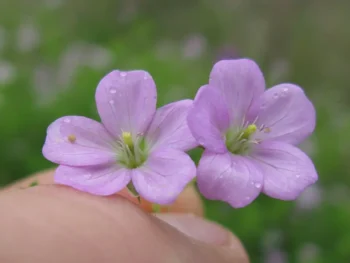
Solander’s Geranium: A Lesser-Known Non-Native Perennial
If you’ve stumbled across the name Solander’s geranium (Geranium solanderi) in your plant research, you’re looking at quite the botanical mystery! This perennial forb is one of those plants that doesn’t get much attention in gardening circles, and there’s a good reason for that.
What is Solander’s Geranium?
Geranium solanderi, commonly known as Solander’s geranium, is a non-native perennial that has found its way into California’s landscape. Named after Daniel Solander, the Swedish botanist who sailed with Captain Cook, this herbaceous plant belongs to the true geranium family – not to be confused with the colorful annual geraniums (Pelargoniums) you see at garden centers.
As a forb, this plant lacks significant woody growth above ground, instead producing soft, herbaceous stems and foliage. It’s also been known by the synonym Geranium pilosum in some botanical references.
Where Does It Grow?
Currently, Solander’s geranium has been documented growing wild in California, where it reproduces without human intervention. This introduced species has managed to establish itself and persist in the Golden State’s diverse ecosystems.
- Species observed
- No observations
Should You Grow Solander’s Geranium?
Here’s where things get interesting – and a bit challenging. While Solander’s geranium isn’t classified as invasive or noxious, there’s remarkably little information available about its garden performance, care requirements, or even its basic appearance. This lack of cultivation information suggests it’s not commonly grown or commercially available.
The Native Alternative Route
Since detailed growing information for Solander’s geranium is scarce, and given that it’s a non-native species, you might want to consider native geranium alternatives instead. California boasts several beautiful native geraniums that are well-documented, easier to source, and better for local ecosystems:
- California geranium (Geranium californicum) – a lovely native with pink to purple flowers
- Richardson’s geranium (Geranium richardsonii) – features white to pale pink blooms
What We Don’t Know
Unfortunately, many key details about Solander’s geranium remain unknown, including:
- Specific growing conditions and care requirements
- USDA hardiness zones
- Mature plant size and appearance
- Pollinator and wildlife benefits
- Propagation methods
- Wetland tolerance
The Bottom Line
While Solander’s geranium might sound intriguing, the lack of available cultivation information makes it an impractical choice for most gardeners. Your best bet for adding geraniums to your California garden is to stick with well-documented native species that support local wildlife and ecosystems. These alternatives will give you reliable growing information, easier plant sourcing, and the satisfaction of supporting your local environment.
If you’re specifically interested in this particular species for research purposes, you might want to connect with botanical institutions or specialized native plant societies who may have more detailed information about its characteristics and requirements.