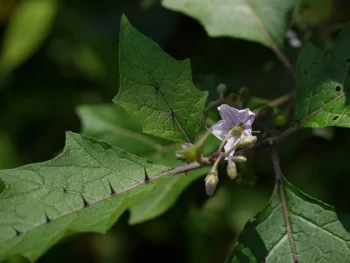
Solanum anguivi: A Mystery Plant in Your Garden Journey
If you’ve stumbled across the name Solanum anguivi in your plant research, you’re likely wondering what exactly this mysterious member of the nightshade family has to offer. Well, grab a cup of tea and settle in, because we’re about to explore one of botany’s more enigmatic characters.
The Name Game
Solanum anguivi doesn’t have a widely recognized common name, which already tells us something interesting about this plant. When a species lacks a common name, it usually means it’s either quite rare, regionally specific, or simply hasn’t made its way into mainstream gardening circles. Sometimes plants fly under the radar for good reason – and sometimes they’re hidden gems waiting to be discovered.
Where in the World?
Here’s where things get a bit fuzzy. The geographical distribution of Solanum anguivi isn’t well-documented in readily available sources, which makes it challenging to provide specific regional growing advice. This lack of information could indicate a very limited native range or possibly some taxonomic uncertainty within the scientific community.
The Reality Check
Let’s be honest here – when a plant has this little documented information available, it raises some red flags for the average gardener. Without clear details about its growing requirements, potential invasiveness, or even basic characteristics like size and appearance, Solanum anguivi falls into that tricky category of proceed with extreme caution.
What We Do Know
As a member of the Solanum genus, this plant is related to familiar species like tomatoes, potatoes, and eggplants. However, many Solanum species also include toxic plants, so this family connection doesn’t automatically make it garden-friendly.
- It’s a dicot (flowering plant with two seed leaves)
- Part of the nightshade family (Solanaceae)
- Specific growing requirements are undocumented
- Native status and range are unclear
Should You Plant It?
Given the lack of available information about Solanum anguivi, most gardeners would be better served choosing well-documented native plants for their landscapes. Without knowing its growth habits, potential invasiveness, or even basic care requirements, planting this species would be a significant gamble.
If you’re set on exploring unusual Solanum species, consider these better-documented alternatives that offer similar botanical interest:
- Native ground cherries (Physalis species)
- Wild potatoes native to your region
- Well-documented native nightshade species
The Bottom Line
Sometimes in gardening, mystery isn’t a good thing. While Solanum anguivi might sound intriguing, the lack of readily available information about its characteristics, care requirements, and potential impacts makes it a questionable choice for most gardeners. Your time and garden space are precious – consider investing them in native plants with proven track records and clear growing guidelines.
If you’re a botanical researcher or have specific interest in obscure Solanum species, proceed only with plants from reputable sources and consider contributing to our knowledge base by documenting your growing experiences. Otherwise, there are plenty of fascinating, well-documented native plants waiting to bring both beauty and ecological benefits to your landscape.