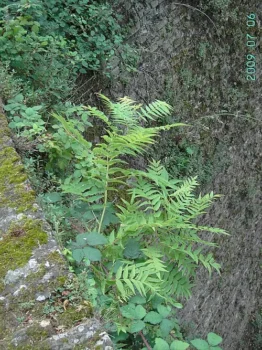
The Mysterious Sorbaria tomentosa: A Plant Shrouded in Uncertainty
If you’ve stumbled across the name Sorbaria tomentosa in your plant research, you’re not alone in scratching your head. This botanical name appears to be something of an enigma in the gardening world, with very little reliable information available about this specific species.
What We Know (And Don’t Know) About Sorbaria tomentosa
Sorbaria tomentosa belongs to the rose family and is classified as a dicot, meaning it has two seed leaves when it germinates. However, beyond this basic botanical classification, concrete information about this particular species becomes frustratingly scarce.
The genus Sorbaria is known for containing several species of deciduous shrubs, many of which are native to Asia and produce attractive, feathery white flower clusters. However, when it comes to Sorbaria tomentosa specifically, we’re left with more questions than answers about its native range, appearance, and growing requirements.
A Word of Caution for Curious Gardeners
Here’s where things get a bit tricky. Without reliable information about Sorbaria tomentosa’s native status, invasive potential, or even basic growing requirements, it’s difficult to recommend whether you should plant it in your garden. The lack of available information could indicate several possibilities:
- It may be an extremely rare species with limited distribution
- The name might be a synonym or misapplication of another Sorbaria species
- It could be a species that hasn’t been well-studied or documented in horticultural literature
Better-Known Sorbaria Alternatives
If you’re interested in the Sorbaria genus but want something with well-documented growing requirements and characteristics, consider these better-known relatives:
- Sorbaria sorbifolia (Ural False Spirea) – A hardy, spreading shrub with white flower plumes
- Sorbaria kirilowii – Another Asian species with attractive foliage and flowers
These alternatives have established track records in cultivation and well-documented care requirements, making them safer choices for your garden.
Our Recommendation
Given the lack of reliable information about Sorbaria tomentosa, we’d recommend proceeding with extreme caution. Without knowing its growth habits, native status, or potential invasiveness, it’s impossible to make an informed decision about whether this plant belongs in your garden.
If you’re determined to learn more about this mysterious species, consider reaching out to botanical gardens, university extension services, or plant taxonomists who might have more specialized knowledge. In the meantime, exploring the better-documented members of the Sorbaria family might satisfy your curiosity while keeping your garden on solid ground.
Sometimes in the plant world, mystery doesn’t equal magic – it just means we need to do more homework before we start digging!