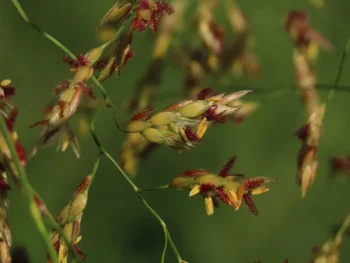
Sorghum: A Pacific Grass with Limited Garden Appeal
If you’ve stumbled across the name Sorghum propinquum in your botanical wanderings, you’re looking at one of nature’s more obscure grass species. While the sorghum family is famous for its grain-producing relatives, this particular member is quite the mysterious character in the gardening world.
What Exactly Is Sorghum propinquum?
Sorghum propinquum belongs to the grass family (Poaceae), making it a relative of your lawn grass, but with its own unique personality. Like other grasses, it’s what botanists call a monocot – think of it as nature’s way of organizing plants with similar leaf structures and growth patterns.
This isn’t your typical backyard grass, though. It’s considered a non-native species that has managed to establish itself and reproduce naturally in parts of the Pacific region, particularly in areas excluding Hawaii.
Where Does It Call Home?
You’ll find Sorghum propinquum growing wild in Guam and Palau, where it has carved out its own little niche in the Pacific island ecosystem. It’s one of those plants that has successfully made itself at home in a new environment, reproducing without any help from humans.
- Species observed
- No observations
Should You Consider Growing It?
Here’s where things get a bit tricky. While Sorghum propinquum isn’t classified as invasive or noxious (at least not in available records), there’s surprisingly little information about its garden performance, care requirements, or ornamental value. This makes it a bit of a wild card for home gardeners.
Since detailed growing information is scarce, and given its non-native status, you might want to consider these alternatives:
- Native grasses specific to your region
- Well-documented ornamental grasses with known garden performance
- Local native plants that provide proven benefits to wildlife and pollinators
The Bottom Line
Sorghum propinquum falls into that category of plants that are botanically interesting but practically mysterious. Without clear information about its growing requirements, mature size, or garden behavior, it’s not the most reliable choice for most gardeners.
If you’re drawn to grass-like plants for your landscape, consider exploring native grasses in your area instead. They’ll be better adapted to your local conditions, require less guesswork to grow successfully, and provide known benefits to local wildlife and ecosystems.
Sometimes in gardening, the most interesting plants on paper aren’t necessarily the best choices for our gardens – and Sorghum propinquum seems to fit right into that category.