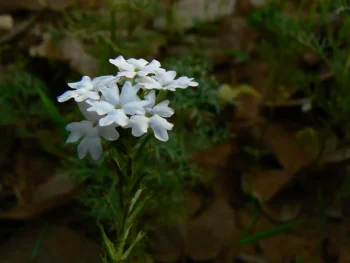
South American Mock Vervain: A Delicate Ground Cover with Global Appeal
If you’re looking for a low-maintenance ground cover that produces charming clusters of tiny flowers, South American mock vervain (Glandularia pulchella) might catch your eye. This petite perennial has made itself at home in gardens across the southern United States, though it originally hails from much farther south.
What is South American Mock Vervain?
South American mock vervain is a low-growing forb that spreads along the ground, creating a carpet of small, serrated leaves topped with delicate flower clusters. The plant goes by several scientific names in older gardening references, including Verbena pulchella and Verbena tenuisecta, which can make plant shopping a bit confusing. But regardless of what name you see on the tag, you’re getting the same charming little spreader.
This plant can behave as either an annual or perennial depending on your climate, and it’s classified as a non-woody herb that lacks the thick, sturdy stems you’d find on shrubs or trees.
Where Does It Grow?
Originally from South America, this mock vervain has naturalized across a wide swath of the United States. You’ll find it growing wild in states from Texas to Florida, and as far north as Kentucky and as far west as California and Utah. It’s also established in Puerto Rico.
- Species observed
- No observations
Garden Appeal and Landscape Use
The real charm of South American mock vervain lies in its delicate purple-pink flowers that appear in small, rounded clusters throughout the growing season. The plant stays relatively low to the ground, making it perfect for:
- Rock gardens where it can spill over stones
- Border edges that need a soft, informal look
- Wildflower gardens with a cottage garden feel
- Areas where you want easy-care ground cover
Growing Conditions and Care
One of the best things about this plant is how undemanding it is. South American mock vervain thrives in full sun and well-drained soil, and once established, it’s quite drought tolerant. It’s happiest in USDA hardiness zones 8-11, though it may survive as an annual in cooler areas.
Care couldn’t be simpler:
- Plant in full sun for best flowering
- Ensure good drainage to prevent root rot
- Water occasionally during establishment
- Allow it to self-seed if you want it to spread
- Expect it to readily naturalize in suitable conditions
Pollinator Benefits
The small flowers are perfect landing pads for butterflies and other small pollinators. While the blooms may look tiny to us, they’re just the right size for many beneficial insects that visit gardens.
Things to Consider
Since South American mock vervain isn’t native to North America, some gardeners prefer to choose plants that evolved alongside local wildlife. If you’re interested in native alternatives that offer similar ground-covering appeal, consider looking into native vervains or other low-growing wildflowers native to your specific region.
The plant’s ability to self-seed and naturalize means it can spread beyond where you originally planted it, which some gardeners love and others find a bit too enthusiastic.
The Bottom Line
South American mock vervain offers easy-care charm for gardeners who appreciate delicate flowers and don’t mind a plant that makes itself at home. While it’s not native to North America, it’s not considered problematic either. If you choose to grow it, you’ll be rewarded with months of small but lovely blooms and happy pollinators – just be prepared for it to potentially pop up in unexpected spots around your garden.