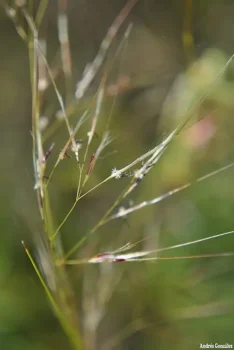
South American Rice Grass: An Elegant Non-Native Ornamental
If you’re looking for a graceful grass that brings movement and texture to your garden, South American rice grass (Jarava plumosa) might catch your eye. This perennial ornamental grass has made its way from the grasslands of South America to gardens in warmer climates, where it’s appreciated for its feathery plumes and drought tolerance.
What Is South American Rice Grass?
South American rice grass is a clumping perennial grass that belongs to the graminoid family. You might also see it listed under its botanical synonyms Achnatherum papposum or Stipa papposa in older gardening references. True to its name, this grass originates from the grasslands of Argentina and Chile, where it thrives in similar Mediterranean-like conditions.
Where Does It Grow?
In the United States, South American rice grass has established itself primarily in California, where the climate closely matches its native South American habitat. As a non-native species, it reproduces on its own in the wild and has naturalized in suitable environments.
- Species observed
- No observations
Why Consider (or Reconsider) This Grass?
South American rice grass brings several appealing qualities to the garden:
- Elegant, feathery seed heads that create beautiful movement in the breeze
- Silvery-green foliage that provides year-round interest
- Excellent drought tolerance once established
- Low maintenance requirements
- Great for cut flower arrangements and dried bouquets
However, it’s important to note that as a non-native species, South American rice grass doesn’t provide the same ecological benefits as native grasses. While it’s wind-pollinated and generally well-behaved in gardens, it won’t support native wildlife in the same way that indigenous plants do.
Native Alternatives to Consider
If you’re drawn to ornamental grasses but want to support local ecosystems, consider these native alternatives that offer similar aesthetic appeal:
- Purple needlegrass (Stipa pulchra) – California’s state grass
- Deer grass (Muhlenbergia rigens) – Striking fountain-like form
- California fescue (Festuca californica) – Elegant blue-green clumps
Growing Conditions and Care
If you decide to grow South American rice grass, it’s relatively easy to please. Here’s what it needs to thrive:
Climate: Hardy in USDA zones 8-10, making it suitable for warmer regions with mild winters.
Sun and Soil: Loves full sun and well-draining soil. It’s quite adaptable to different soil types but doesn’t tolerate waterlogged conditions.
Water: Once established, this grass is quite drought tolerant. Water regularly during the first growing season, then reduce watering significantly.
Planting and Maintenance Tips
Spring is the best time to plant South American rice grass, giving it a full growing season to establish before winter. Space plants about 2-3 feet apart to allow for their mature spread.
Maintenance is minimal once established:
- Cut back the entire plant to about 6 inches in late winter before new growth begins
- Divide clumps every 3-4 years if they become too large
- Watch for self-seeding and remove unwanted seedlings
- Minimal fertilizer needed – too much can make the grass floppy
Design Ideas
South American rice grass works beautifully in:
- Mediterranean-style gardens alongside lavender and rosemary
- Contemporary landscapes where its architectural form shines
- Xeriscapes and drought-tolerant plantings
- Mixed perennial borders for textural contrast
- Containers for patios and decks
The Bottom Line
South American rice grass is an attractive, low-maintenance ornamental that can add grace and movement to warm-climate gardens. While it’s not native and won’t provide the ecological benefits of indigenous plants, it’s generally well-behaved and offers reliable performance in Mediterranean-type climates. If you choose to grow it, consider pairing it with native plants to create a garden that’s both beautiful and beneficial to local wildlife.