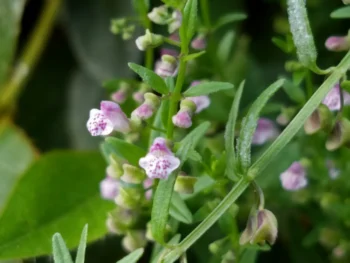
South American Skullcap: A Non-Native Wetland Perennial for Your Garden
If you’re looking to add some diversity to your wetland garden or moisture-loving plant collection, you might have come across South American skullcap (Scutellaria racemosa). This lesser-known member of the mint family has quietly established itself across the southeastern United States, though it’s not originally from our neck of the woods.
What Exactly Is South American Skullcap?
South American skullcap is a perennial forb – basically a non-woody plant that comes back year after year. Unlike shrubs or trees, it doesn’t develop thick, woody stems above ground. Instead, it keeps its growing points at or below the soil surface, making it well-adapted to survive through different seasons.
You might occasionally see this plant listed under the synonym Scutellaria minor, though that’s not quite accurate. It’s part of the skullcap family, which gets its quirky name from the shape of the flower’s calyx that resembles a tiny cap or helmet.
Where Does It Grow?
Despite its common name suggesting South American origins, this plant has made itself at home across much of the southeastern United States. You’ll find it naturalized in Alabama, Arkansas, Florida, Georgia, Louisiana, Mississippi, North Carolina, South Carolina, and Texas.
- Species observed
- No observations
The Water-Loving Nature of This Plant
Here’s where things get interesting – South American skullcap has different relationships with water depending on where you are:
- In the Atlantic and Gulf Coastal Plain regions, it’s considered a facultative wetland plant, meaning it usually hangs out in wet areas but can tolerate drier conditions
- In the Eastern Mountains and Piedmont, it’s an obligate wetland plant, which means it almost always needs wetland conditions to thrive
- In the Great Plains, it’s back to being facultative wetland
This variation tells us the plant is pretty adaptable, but consistently prefers moist to wet conditions.
Should You Plant South American Skullcap?
Here’s the thing – while South American skullcap isn’t listed as invasive or problematic, it’s not a native species either. It’s one of those plants that has naturalized and reproduces on its own in the wild, but it’s not originally from here.
If you’re drawn to this plant for a wetland garden or rain garden, you might want to consider some fantastic native alternatives first:
- Native skullcap species like Scutellaria lateriflora (Mad-dog skullcap)
- Blue vervain (Verbena hastata)
- Wild bergamot (Monarda fistulosa)
- Other native wetland perennials suited to your specific region
Growing Conditions and Care
If you do decide to grow South American skullcap, remember its love for moisture. Based on its wetland status across different regions, this plant will be happiest in:
- Consistently moist to wet soil
- Areas that might flood occasionally
- Rain gardens or bog gardens
- Edges of ponds or water features
As a perennial forb, it should come back each year once established, though specific care requirements and growing tips for this particular species are not well-documented in readily available sources.
The Bottom Line
South American skullcap represents an interesting case study in plant naturalization – it’s found a niche in our southeastern wetlands without becoming problematic. However, as gardeners interested in supporting native ecosystems, we might get more bang for our buck by choosing native species that provide similar aesthetic appeal while supporting local wildlife and maintaining ecological integrity.
If you’re specifically interested in skullcaps, definitely explore native options first. Your local native plant society or extension office can help you identify the best native skullcap species for your area and growing conditions.