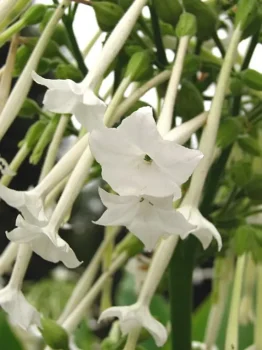
South American Tobacco: A Dramatic Evening Beauty for Your Garden
If you’re looking for a plant that knows how to make an entrance, South American tobacco (Nicotiana sylvestris) might just be your new garden star. This towering beauty brings drama, fragrance, and a touch of the exotic to any landscape – though as with any non-native guest, there are a few things worth knowing before you roll out the welcome mat.
What Exactly Is South American Tobacco?
Don’t let the name fool you – this isn’t the tobacco you’re thinking of. South American tobacco is a perennial forb that grows as a tall, leafy plant without woody stems. Think of it as nature’s version of a living sculpture that happens to smell absolutely divine.
Originally hailing from South America (specifically Argentina and Bolivia), this non-native species has found its way to California, where it’s established itself and reproduces on its own in the wild. While it’s not considered invasive, it’s worth keeping in mind that this is an introduced species that’s made itself quite at home.
- Species observed
- No observations
Why Gardeners Fall Head Over Heels
There’s something undeniably magnetic about South American tobacco, and here’s why:
- Evening drama: Large, white trumpet-shaped flowers that open in the evening and release an intoxicating fragrance
- Impressive height: Can reach 4-6 feet tall, making it a perfect back-of-border showstopper
- Architectural presence: Large, paddle-shaped leaves create bold texture and structure
- Night garden appeal: Perfect for moonlight gardens and evening entertaining spaces
- Pollinator magnet: Night-flying moths absolutely adore the evening blooms
The Perfect Garden Spots
South American tobacco thrives in several garden styles:
- Cottage gardens where its informal charm fits right in
- Tropical-style landscapes that embrace bold foliage
- Fragrance gardens designed for evening enjoyment
- Mixed perennial borders where it can serve as a dramatic backdrop
Growing South American Tobacco Successfully
Climate Considerations: This beauty is hardy in USDA zones 10-11, but don’t despair if you live somewhere cooler – it makes an excellent annual in colder climates.
Light and Soil: Give it full sun to partial shade and rich, well-draining soil. Think of it as a plant that appreciates the good life – fertile ground and regular watering will keep it happy.
Planting Tips:
- Start from seed in warm soil (it’s a bit fussy about cold feet)
- Space plants about 2-3 feet apart – they need room to spread their wings
- Stake tall plants to prevent wind damage
- Water regularly but don’t let the soil become waterlogged
Ongoing Care: Deadhead spent flowers to encourage more blooms, and protect from strong winds that might snap those tall stems. In colder zones, treat it as an annual or bring potted plants indoors for winter.
A Word About Native Alternatives
While South American tobacco isn’t invasive, native plant enthusiasts might want to consider these alternatives that provide similar benefits for local wildlife:
- Native evening primroses for night-blooming fragrance
- California native salvias for pollinator appeal
- Native milkweeds for dramatic height and wildlife benefits
The Bottom Line
South American tobacco is like that charming dinner guest who wasn’t originally invited but adds so much to the party that everyone’s glad they showed up. It’s not native, but it’s not causing trouble either – just bringing beauty and fragrance to gardens across California.
If you’re drawn to its dramatic evening blooms and don’t mind giving a non-native plant some garden real estate, South American tobacco can be a wonderful addition to your landscape. Just remember to appreciate the native alternatives too – they’re often the unsung heroes of the plant world, perfectly adapted to support local wildlife and ecosystems.