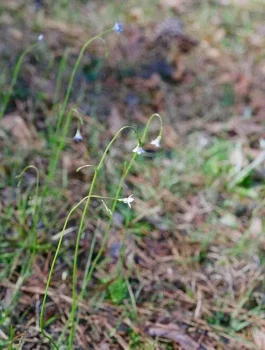
Southern Rockbell: A Charming Ground Cover with Delicate Blue Blooms
If you’re looking for a low-maintenance ground cover that produces masses of tiny, bell-shaped flowers, southern rockbell (Wahlenbergia marginata) might catch your eye. This petite perennial has been quietly making itself at home in gardens across the southeastern United States, though it’s not originally from these parts.
What is Southern Rockbell?
Southern rockbell is a small perennial forb – basically a non-woody flowering plant that comes back year after year. Originally hailing from Australia and New Zealand, this little plant has adapted quite well to life in the American South. It’s also known by the synonym Wahlenbergia gracilis, though you’ll most commonly find it sold under its current botanical name.
As a member of the bellflower family, southern rockbell produces clusters of small, star-shaped flowers that range from pale blue to purple. The blooms are only about half an inch across, but what they lack in size, they make up for in quantity.
Where Does It Grow?
Southern rockbell has established populations across much of the southeastern United States, including Alabama, Arkansas, Florida, Georgia, Louisiana, Mississippi, North Carolina, South Carolina, and Texas. Interestingly, it’s also found in Hawaii, where it has similarly naturalized after being introduced.
- Species observed
- No observations
This adaptable plant thrives in USDA hardiness zones 8-10, making it well-suited to the warm, humid conditions of the Southeast.
Garden Appeal and Uses
What makes southern rockbell appealing to gardeners is its delicate, cottage garden charm. The plant forms low, spreading mats that rarely exceed 6-8 inches in height but can spread 12-18 inches wide. The tiny flowers create a cloud-like effect when the plant is in full bloom, typically from spring through fall in favorable conditions.
Southern rockbell works beautifully as:
- Ground cover in rock gardens
- Edging for flower beds and borders
- Filler in cottage-style gardens
- Naturalized plantings in informal landscapes
Growing Conditions and Care
One of southern rockbell’s best qualities is how easy it is to grow. This plant is quite forgiving and adapts to a range of conditions, though it performs best with:
- Sunlight: Full sun to partial shade
- Soil: Well-draining soil of average fertility
- Water: Moderate moisture; drought tolerant once established
- pH: Adaptable to various soil pH levels
The key to success with southern rockbell is ensuring good drainage. Like many plants from Mediterranean-type climates, it doesn’t appreciate soggy feet and may rot in consistently wet conditions.
Planting and Care Tips
Southern rockbell is remarkably low-maintenance once established. Here are some tips for success:
- Plant in spring after the last frost date
- Space plants 8-12 inches apart for ground cover effect
- Water regularly during the first growing season to establish roots
- Deadhead spent flowers to encourage continued blooming
- Allow some flowers to go to seed if you want the plant to self-sow
- Divide clumps every 2-3 years to maintain vigor
Wildlife and Pollinator Benefits
While not a native plant, southern rockbell does provide some benefits to local wildlife. The small flowers attract beneficial insects, including small native bees and other pollinators. The extended blooming period means it can provide nectar when other flowers may be scarce.
Should You Plant Southern Rockbell?
Southern rockbell isn’t native to North America, but it’s also not considered invasive or problematic. If you’re drawn to its delicate charm and easy-care nature, it can be a nice addition to the garden. However, if you prefer to focus on native plants, consider these beautiful alternatives that provide similar garden appeal:
- Wild bergamot (Monarda fistulosa) for cottage garden appeal
- Blue-eyed grass (Sisyrinchium angustifolium) for delicate blue flowers
- Wild ginger (Asarum canadense) for ground cover in shade
- Coral honeysuckle (Lonicera sempervirens) for long-blooming color
Whether you choose southern rockbell or a native alternative, the key is creating a garden that brings you joy while supporting local ecosystems. Southern rockbell can certainly play a role in that mission, especially when paired with plenty of native plants that provide the most benefit to local wildlife.