Southern Succisella: A Wetland Wildflower Worth Knowing
Meet southern succisella (Succisella inflexa), a modest little perennial that’s quietly made itself at home in wetlands across the northeastern United States and parts of Canada. While it might not win any flashy flower contests, this unassuming member of the teasel family has its own understated charm and some interesting quirks that make it worth getting to know.
What is Southern Succisella?
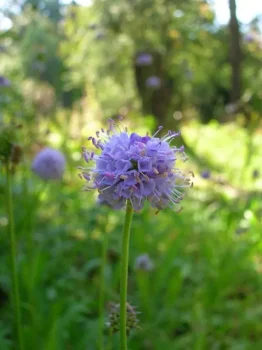
Southern succisella is a herbaceous perennial forb—basically a soft-stemmed plant that comes back year after year without any woody growth above ground. You might also see it listed under its old scientific names, Scabiosa australis or Succisa australis, if you’re digging through older botanical references. This little plant produces delicate, pale blue to white flowers arranged in compact, rounded heads that sit atop slender stems.
Where You’ll Find It Growing
Originally hailing from the mountains and wetlands of Europe and Asia, southern succisella has established itself across several states and provinces in northeastern North America. You can find populations in Ontario, Quebec, Connecticut, Massachusetts, Michigan, New York, and Pennsylvania. It’s what botanists call a facultative wetland plant, meaning it usually hangs out in wet areas but can occasionally tolerate drier conditions.
- Species observed
- No observations
Should You Grow Southern Succisella?
Here’s the thing about southern succisella—it’s a bit of a niche plant. Since it’s non-native to North America, you might want to think twice before adding it to your garden, especially if you’re focused on supporting local ecosystems with native plants.
Reasons you might want to grow it:
- You’re creating a specialized bog or wetland garden
- You appreciate subtle, naturalistic plantings
- You have consistently wet areas that are challenging to plant
- You’re interested in unusual or less common perennials
Reasons to consider alternatives:
- It offers limited benefits to native wildlife and pollinators
- Native wetland plants would better support local ecosystems
- It can be finicky about growing conditions
- It’s not particularly showy or ornamental
Native Alternatives to Consider
If you’re drawn to southern succisella’s wetland habitat and modest flowers, consider these native alternatives that would provide similar aesthetics while supporting local wildlife:
- Wild bergamot (Monarda fistulosa) for purple-flowered wetland appeal
- Swamp milkweed (Asclepias incarnata) for bog gardens
- Blue vervain (Verbena hastata) for similar flower spikes
- Turtlehead (Chelone glabra) for moist, shaded areas
Growing Southern Succisella Successfully
If you do decide to try growing southern succisella, here’s what you need to know to keep it happy:
Growing Conditions:
- Consistently moist to wet soil—think bog-like conditions
- Full sun to partial shade
- Cool, temperate climate (USDA zones 3-7)
- Good drainage despite constant moisture (no standing water)
Planting and Care Tips:
- Start with small plants rather than seeds for better establishment
- Plant in spring after the last frost
- Mulch around plants to help retain moisture
- Avoid fertilizing—wetland plants typically prefer lean conditions
- Be patient—it may take a season or two to fully establish
The Bottom Line
Southern succisella is one of those plants that appeals to gardeners who like collecting unusual species or creating specialized habitat gardens. While it won’t provide the wildlife benefits of native alternatives, it’s not considered invasive and can fill a specific niche if you have the right wet, cool conditions. Just remember that supporting native plant communities is usually the better choice for both your garden’s ecosystem and the wildlife that depends on it.
Whether you choose to grow southern succisella or opt for native wetland alternatives, the key is creating beautiful, functional gardens that work with your specific site conditions and gardening goals.