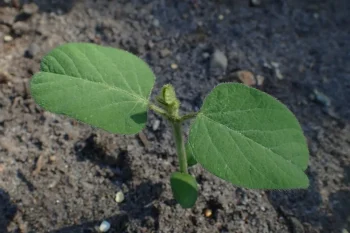
Soybean (Glycine max): The Agricultural Powerhouse in Your Garden
When most people think of soybeans, they picture vast agricultural fields stretching to the horizon. But this humble annual might deserve a spot in your home garden too – though perhaps not for the reasons you’d expect. Let’s dive into the world of Glycine max, commonly known as soybean, and explore whether this productive legume belongs in your backyard.
What Exactly Is a Soybean?
Soybean goes by several names including reseeding soybean and wild soybean, though don’t let that wild designation fool you. This annual forb – that’s garden-speak for a non-woody plant – is actually a non-native species that made its way to North America from its original home in East Asia. Standing up to 3 feet tall with a single crown growth form, soybeans are rapid growers that pack a lot of productivity into their relatively short lives.
As an annual plant, soybeans complete their entire life cycle in one growing season, making them quite different from the perennial natives that many gardeners are increasingly drawn to.
Where You’ll Find Soybeans Growing
Today, you can find soybeans naturalized across a impressive range of North American locations, from Alabama to Wisconsin, and from the Atlantic coast to the Great Plains. They’ve established themselves in states including Illinois, Indiana, Iowa, Nebraska, and many others, plus they’re found in parts of Canada like Ontario and Quebec, and even in Puerto Rico.
- Species observed
- No observations
The Good, The Bad, and The Practical
Let’s be honest – soybeans aren’t going to win any beauty contests in your garden. With their coarse-textured green foliage and small purple flowers that bloom in midsummer, they’re more functional than ornamental. The flowers aren’t particularly showy, and while they do produce seeds (hello, edamame!), the brown seed pods aren’t exactly eye-catching either.
However, what soybeans lack in aesthetic appeal, they make up for in practical benefits:
- Nitrogen fixation capabilities that can improve your soil
- Edible seeds that can be harvested as edamame or dried soybeans
- Fast growth rate and high seed production
- Tolerance for various soil types
Wildlife and Pollinator Considerations
If you’re hoping to create a wildlife haven, soybeans might not be your best bet. Research shows they provide only 2% to 5% of the diet for large animals, small mammals, water birds, and terrestrial birds, while offering sparse cover. Since soybeans are primarily self-pollinating, they don’t offer much in the way of nectar or pollen resources for our struggling pollinator populations either.
For gardeners focused on supporting local ecosystems, native alternatives like wild lupine, partridge pea, or native clovers would provide much more substantial benefits to wildlife and pollinators.
Growing Soybeans Successfully
If you decide to give soybeans a try, here’s what you need to know:
Climate Requirements: Soybeans need at least 140 frost-free days and can tolerate temperatures as low as -28°F in winter (though they’ll be long gone by then as annuals). They thrive in USDA zones 3-9.
Soil Preferences: These adaptable plants handle coarse, medium, and fine-textured soils well. They prefer soil pH between 5.5 and 7.8 and have low fertility requirements – a bonus for budget-conscious gardeners.
Water and Sun Needs: Soybeans need full sun and have medium drought tolerance once established. They prefer moderate moisture levels and can handle annual precipitation ranging from 16 to 59 inches.
Planting Tips: Plant seeds directly in the garden after soil temperatures warm in late spring. With about 4,880 seeds per pound and high seedling vigor, germination is typically excellent. No cold stratification required – just plant and go!
The Bottom Line
Soybeans are remarkably easy to grow and can be a fun addition to a vegetable garden, especially if you enjoy harvesting your own edamame. However, as a non-native species with limited wildlife value, they’re not the best choice if your goal is to support local ecosystems or create habitat for native wildlife.
For gardeners interested in nitrogen-fixing plants that also support pollinators and wildlife, consider native alternatives like wild bergamot, native clovers, or lupines. These options will give you the soil-improving benefits of nitrogen fixation while providing much more value to local wildlife and pollinators.
Whether you choose to grow soybeans or opt for native alternatives, the most important thing is getting out there and gardening. Every plant grown with care is a step toward a more sustainable future!