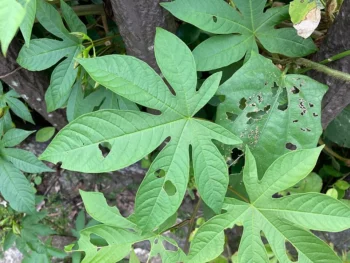
Spanish Arborvine: A Tropical Climbing Beauty for Warm Gardens
If you’re looking for a fast-growing vine that produces stunning yellow flowers, Spanish arborvine might catch your eye. This vigorous climber, scientifically known as Merremia tuberosa, brings tropical flair to warm-climate gardens with its bright, trumpet-shaped blooms and lush green foliage.
What is Spanish Arborvine?
Spanish arborvine is a perennial twining vine that can quickly cover fences, arbors, and trellises with its heart-shaped leaves and eye-catching flowers. The plant produces large, bright yellow trumpet-shaped blooms that can reach 3-4 inches across, creating a spectacular display during its flowering season.
You might also encounter this plant under its former scientific names, including Ipomoea tuberosa or Operculina tuberosa, as botanical classifications have evolved over time.
Native Status and Distribution
It’s important to know that Spanish arborvine is not native to the United States. This tropical climber originally hails from Central and South America and the Caribbean. However, it has established itself in several U.S. locations where it reproduces spontaneously in the wild.
Currently, you can find Spanish arborvine growing in Florida, Hawaii, Texas, Puerto Rico, and the U.S. Virgin Islands, where it has adapted well to the warm, humid conditions.
- Species observed
- No observations
Garden Appeal and Landscape Use
Spanish arborvine offers several attractive features for gardeners in suitable climates:
- Large, showy yellow flowers that bloom periodically throughout the growing season
- Fast growth rate for quick coverage of unsightly areas
- Dense foliage that provides privacy screening
- Attracts pollinators like bees and butterflies
This vine works well in tropical and subtropical garden settings where you need vertical interest or want to cover structures like pergolas, fences, or walls. Its vigorous climbing habit makes it ideal for creating living screens or adding color to bland surfaces.
Growing Conditions and Care
Spanish arborvine thrives in USDA hardiness zones 9-11, where temperatures rarely drop below freezing. Here’s what this tropical vine needs to flourish:
- Light: Full sun to partial shade (at least 6 hours of direct sunlight daily)
- Soil: Well-draining soil that doesn’t stay waterlogged
- Water: Regular watering, especially during dry periods
- Temperature: Warm conditions year-round; frost will damage or kill the plant
Planting and Maintenance Tips
Growing Spanish arborvine is relatively straightforward if you live in the right climate:
- Plant in spring after the last frost danger has passed
- Provide sturdy support structures as this vine can become quite heavy
- Water regularly but avoid overwatering, which can lead to root problems
- Prune as needed to control growth and prevent it from overwhelming other plants
- Monitor for spread beyond your intended growing area
Important Considerations
While Spanish arborvine can be an attractive addition to warm-climate gardens, remember that it’s not native to the United States. As a responsible gardener, you might want to consider native alternatives that provide similar benefits while supporting local ecosystems.
Some excellent native climbing alternatives include:
- Coral honeysuckle (Lonicera sempervirens) for southeastern gardens
- American bittersweet (Celastrus scandens) for temperate regions
- Native morning glories like beach morning glory (Ipomoea pes-caprae) in coastal areas
The Bottom Line
Spanish arborvine can be a stunning addition to tropical and subtropical gardens where fast-growing, flowering vines are desired. Its bright yellow blooms and vigorous growth make it effective for quick coverage and ornamental appeal. However, since it’s non-native and establishes readily in the wild, consider whether native alternatives might better serve your garden goals while supporting local wildlife and ecosystems.
If you do choose to grow Spanish arborvine, be prepared to manage its enthusiastic growth and monitor its spread to ensure it stays where you want it in your landscape.