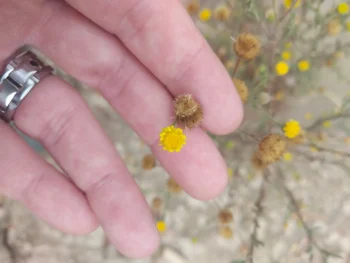
Spanish False Fleabane: A Mediterranean Wildflower for Dry Gardens
If you’re looking for a low-maintenance flowering plant that can handle heat and drought, Spanish false fleabane (Pulicaria paludosa) might catch your eye. This Mediterranean native has quietly made itself at home in parts of the American Southwest, bringing its cheerful yellow blooms to dry landscapes.
What is Spanish False Fleabane?
Spanish false fleabane is a small herbaceous plant that belongs to the sunflower family. Despite its rather unflattering common name, this little forb produces clusters of bright yellow, daisy-like flowers that can add a splash of color to challenging garden spots. The plant can behave as either an annual or perennial, depending on growing conditions.
You might also see this plant listed under its synonym, Pulicaria hispanica, in some older gardening references.
Where Does It Grow?
Originally from the Mediterranean region, Spanish false fleabane has established populations in Arizona and California. It’s considered a non-native species that reproduces on its own in these areas, meaning it’s found growing wild without human assistance.
- Species observed
- No observations
Should You Plant Spanish False Fleabane?
Here’s the honest scoop: while Spanish false fleabane isn’t considered invasive or harmful, it’s not a native plant. If you’re committed to supporting local ecosystems with native species, you might want to consider these southwestern alternatives instead:
- Desert marigold (Baileya multiradiata)
- Brittlebush (Encelia farinosa)
- Desert sunflower (Geraea canescens)
That said, if you’re dealing with particularly challenging growing conditions and need something tough as nails, Spanish false fleabane does offer some benefits. It’s extremely drought tolerant and can handle poor soils that might defeat other plants.
Garden Appeal and Uses
Spanish false fleabane works well in:
- Xeriscaping and water-wise gardens
- Mediterranean-style landscapes
- Naturalized wildflower areas
- Rock gardens
- Areas with poor, well-draining soil
The small yellow flowers attract bees and other beneficial insects, making it a decent choice for pollinator gardens, though native plants will always provide better support for local wildlife.
Growing Conditions and Care
If you decide to grow Spanish false fleabane, you’re in for an easy ride. This plant thrives in USDA hardiness zones 8-10 and prefers:
- Sunlight: Full sun exposure
- Soil: Well-draining soil (it actually prefers poor to average soil)
- Water: Very little once established – drought tolerance is its superpower
- Maintenance: Minimal – this is a plant it and forget it kind of species
Wetland Tolerance
Interestingly, despite its drought tolerance, Spanish false fleabane has a facultative wetland status in the Arid West. This means it can handle both wet and dry conditions, making it quite versatile for different garden situations.
Planting and Care Tips
Growing Spanish false fleabane is refreshingly straightforward:
- Plant in spring after the last frost
- Choose a sunny spot with good drainage
- Water sparingly – overwatering is more likely to cause problems than drought
- No fertilizer needed (it actually prefers lean soil)
- Allow plants to self-seed if you want them to naturalize
The Bottom Line
Spanish false fleabane is a tough, low-maintenance plant that can handle extreme conditions with grace. While it’s not native to North America, it’s not considered harmful either. If you’re looking for something virtually indestructible for a challenging spot and don’t mind non-native species, it could work for you. However, if supporting native ecosystems is important to your gardening philosophy, consider the native alternatives mentioned above – they’ll provide similar benefits while supporting local wildlife and maintaining regional plant diversity.
Whatever you choose, happy gardening!