Spatulaleaf Loosestrife: A Wetland Annual Worth Knowing
Meet spatulaleaf loosestrife (Lythrum portula), a petite annual herb that’s quietly made itself at home in North American wetlands. While you might not have heard of this understated little plant, it’s been establishing itself in soggy spots from California to Ohio, creating carpets of tiny pink blooms in places where few other plants dare to grow.
The Basics: What Is Spatulaleaf Loosestrife?
Spatulaleaf loosestrife is an annual forb – essentially a non-woody plant that completes its entire life cycle in one growing season. Don’t let the loosestrife name worry you; this diminutive cousin is nothing like the aggressive purple loosestrife that gives the family a bad reputation. This little guy typically stays low to the ground and minds its own business.
Originally hailing from Europe and western Asia, this plant has naturalized across several North American regions. It’s what botanists call non-native – meaning it wasn’t originally from here but has established wild populations that persist without human help.
Where You’ll Find It Growing Wild
Currently, spatulaleaf loosestrife has made itself comfortable in British Columbia, California, Ohio, Oregon, and Washington. It’s particularly fond of wetland areas, earning an Obligate Wetland status across multiple regions – which means it almost always shows up in wet places.
- Species observed
- No observations
What Does It Look Like?
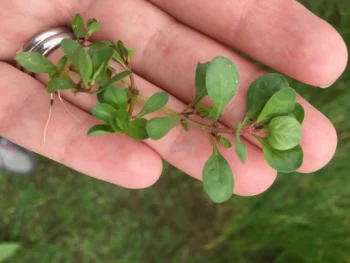
This isn’t a plant that screams for attention. Spatulaleaf loosestrife produces small, inconspicuous pink to purple flowers that might remind you of tiny jewels scattered across wet ground. As its common name suggests, the leaves are somewhat spatula-shaped, giving the plant a distinctive appearance when you get up close.
Should You Plant Spatulaleaf Loosestrife?
Here’s where things get interesting. While spatulaleaf loosestrife isn’t considered invasive or harmful, it’s also not native to North America. If you’re looking to support local ecosystems, you might want to consider native alternatives first. However, if you have a challenging wet spot where few plants thrive, this hardy annual might serve a purpose.
Growing Conditions and Care
If you decide to work with spatulaleaf loosestrife, here’s what it needs:
- Moisture: This plant is all about the water – it needs consistently moist to wet soils
- Light: Full sun to partial shade works well
- Soil: Adaptable to various soil types as long as they stay wet
- Maintenance: Minimal care required once established
As an annual, spatulaleaf loosestrife will self-seed if conditions are right, potentially creating natural colonies in suitable wet areas.
Wildlife and Pollinator Benefits
The small flowers do attract tiny insects, including flies and other diminutive pollinators. While it’s not a major wildlife magnet, every flower counts when it comes to supporting the smaller members of our pollinator community.
Native Alternatives to Consider
Before choosing spatulaleaf loosestrife, consider these native wetland alternatives that provide similar ground coverage:
- Native sedges (Carex species)
- Monkey flower (Mimulus species)
- Wild mint (Mentha arvensis)
- Native rush species (Juncus species)
The Bottom Line
Spatulaleaf loosestrife represents one of those quiet naturalized plants that has found its niche without causing major ecological disruption. While it’s not going to win any beauty contests or become the star of your garden, it serves a role in challenging wet environments where options are limited.
If you’re dealing with perpetually soggy soil and need something that can handle the conditions, spatulaleaf loosestrife might work. However, if supporting native biodiversity is a priority (and we hope it is!), exploring native wetland plants first will give you more ecological bang for your gardening buck.
Remember, the best garden choices often depend on your specific goals, site conditions, and local ecosystem needs. When in doubt, consult with local native plant societies or extension services to find the perfect wetland plants for your unique situation.