Growing Spelt: An Ancient Grain for Modern Gardens
If you’ve ever wondered about growing your own ancient grains, spelt (Triticum spelta) might just spark your curiosity. This heritage wheat variety has been feeding people for thousands of years, and today it’s finding its way back into gardens and small farms across the country.
What Is Spelt?
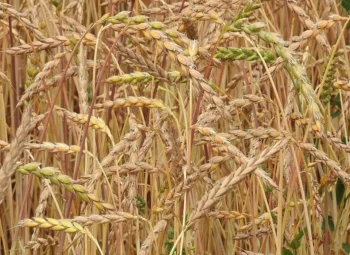
Spelt goes by the botanical name Triticum spelta, though you might also see it listed as Triticum aestivum var. spelta in some references. This annual grain is part of the grass family and produces those classic golden wheat heads that sway beautifully in the breeze. It’s what botanists call a hulled wheat, meaning the grains stay snugly wrapped in their protective husks even after threshing.
Where Does Spelt Grow?
While spelt originally hails from the Middle East, it’s considered a non-native species that has naturalized in parts of the United States. You’ll find it growing in states like Kentucky and Vermont, where it reproduces on its own and persists in the wild. As a non-native plant, it’s worth considering whether there might be native alternatives that could better support local ecosystems.
- Species observed
- No observations
Should You Grow Spelt in Your Garden?
Here’s the thing about spelt – it’s neither invasive nor particularly beneficial to native wildlife, which puts it in a pretty neutral category for gardeners. If you’re interested in heritage crops, food security, or just want to try something different, spelt can be a fascinating addition to your garden. However, if supporting native ecosystems is your priority, you might want to consider native grasses or grains instead.
The Good
- Beautiful golden seed heads add visual interest
- Historical and educational value
- Can produce food for your family
- Relatively easy to grow in the right conditions
The Not-So-Good
- Limited wildlife value compared to native plants
- Requires processing to be edible
- Takes up significant garden space for the yield
Growing Conditions and Care
Spelt is surprisingly adaptable and can grow in USDA hardiness zones 3 through 8. As an annual crop, you’ll need to replant it each year, but that also means you can experiment with different varieties or switch to something else if it doesn’t work out.
This ancient grain prefers full sun and well-drained soil. It’s a cool-season crop that typically gets planted in fall or early spring, depending on your climate. The plants need a cold period (called vernalization) to develop properly, which is why timing matters so much.
Planting Tips
- Plant seeds about 1-2 inches deep
- Space rows 6-8 inches apart
- Plant in fall for spring harvest, or early spring where winters are too harsh
- Provide consistent moisture during germination and early growth
Care and Maintenance
- Water regularly but avoid waterlogged soil
- Watch for common wheat pests and diseases
- Harvest when seed heads are golden and grains are hard
- Allow proper drying before storage
Native Alternatives to Consider
If you’re drawn to spelt for its grass-like appearance and potential food value, consider these native alternatives that offer similar benefits while supporting local ecosystems:
- Wild rice (Zizania species) – if you have wet areas
- Little bluestem (Schizachyrium scoparium) – beautiful ornamental grass
- Eastern gamagrass (Tripsacum dactyloides) – large, dramatic native grass
The Bottom Line
Spelt can be a fun experiment for gardeners interested in heritage crops and grain production. While it won’t harm your local ecosystem, it also won’t provide the wildlife benefits that native plants offer. If you decide to grow it, treat it as an educational experience and maybe dedicate just a small plot to see how it performs in your garden. And who knows? You might end up with enough grain to try your hand at some ancient bread recipes!