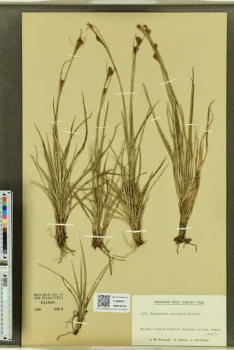
Spiked Beaksedge: A Wetland Sedge for Specialized Gardens
If you’ve ever wandered through Hawaii’s wetlands and noticed small, grass-like plants with tiny brownish flower spikes, you might have encountered spiked beaksedge (Rhynchospora chinensis). This unassuming perennial sedge isn’t going to win any beauty contests, but it plays an interesting role in wetland ecosystems and specialized garden settings.
What Exactly is Spiked Beaksedge?
Spiked beaksedge belongs to the sedge family (Cyperaceae), making it a cousin to grasses but with some key differences. Like other sedges, it has triangular stems (remember: sedges have edges!) and produces small, inconspicuous flowers clustered in brownish spikes. As a perennial, it returns year after year, slowly spreading to form colonies in suitable conditions.
Where You’ll Find It
Currently, spiked beaksedge is documented growing in Hawaii, where it has established itself in wetland areas. However, despite its presence there, it’s not native to the Hawaiian Islands. The species name chinensis hints at its Asian origins, specifically China.
- Species observed
- No observations
The Wetland Connection
Here’s where things get interesting for wetland gardeners: spiked beaksedge is classified as a facultative wetland plant in Hawaii. This means it usually prefers wet conditions but can occasionally tolerate drier spots. If you’re creating a rain garden, bog garden, or wetland restoration project, this adaptability could be useful.
Growing Spiked Beaksedge: The Practical Side
Let’s be honest – you’re probably not going to plant spiked beaksedge for its stunning visual appeal. Its aesthetic contribution is subtle at best, with narrow leaves and small, brownish flower spikes that blend into the background. However, if you’re working on a specialized wetland project, here’s what you need to know:
Growing Conditions
- Moisture: Prefers consistently moist to wet soils
- Light: Full sun to partial shade
- Soil: Tolerates various soil types as long as moisture is adequate
- Maintenance: Low maintenance once established
Should You Plant It?
Here’s where we need to be thoughtful. Since spiked beaksedge isn’t native to Hawaii (or North America) and we don’t have complete information about its ecological impact, consider native alternatives first. Every region has beautiful native sedges that provide similar functions while supporting local wildlife.
If you’re in Hawaii and specifically need a sedge for wetland restoration or specialized habitat creation, spiked beaksedge might serve a purpose. However, consult with local native plant societies or extension services about native Hawaiian sedges that could provide similar benefits while supporting indigenous ecosystems.
Wildlife and Ecosystem Benefits
Like most sedges, spiked beaksedge likely provides some habitat value, particularly in wetland settings. However, native plants typically offer superior benefits to local wildlife, having evolved alongside native insects, birds, and other creatures.
The Bottom Line
Spiked beaksedge is a specialized plant for specialized situations. If you’re working on wetland restoration, creating a bog garden, or need plants for consistently moist areas, it might fit the bill. However, its limited ornamental value and non-native status mean it’s not a first choice for most gardeners.
Before planting any non-native species, especially in sensitive wetland areas, research native alternatives and consult local experts. Your local ecosystem – and the wildlife that depends on it – will thank you for choosing plants that have evolved to thrive in your specific region.