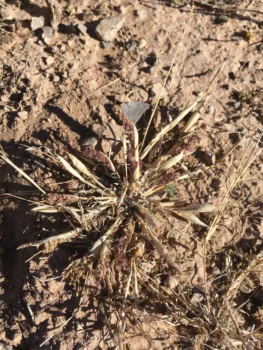
Spiked Bur Grass: A Small but Persistent Non-Native Visitor
If you’ve ever walked through a sandy lot or disturbed area and noticed tiny, spiky grass seed heads clinging to your socks, you might have encountered spiked bur grass (Tragus berteronianus). This unassuming annual grass has quietly made itself at home across various regions of the United States, though it’s not originally from here.
What Is Spiked Bur Grass?
Spiked bur grass is a small annual grass that belongs to the same family as more familiar grasses like wheat and corn. Despite its modest size, this little plant has developed quite the talent for survival and spread. The botanical name Tragus berteronianus might be a mouthful, but the spiked bur part of its common name gives you a pretty good idea of what you’re dealing with – those tiny, spiky seed heads that seem designed to hitchhike on anything that passes by.
Where You’ll Find It
As a non-native species, spiked bur grass has established itself in several states across the country, including Arizona, Hawaii, Maine, Massachusetts, New Mexico, New York, South Carolina, Texas, Virginia, Puerto Rico, and the U.S. Virgin Islands. It reproduces on its own in the wild and has shown a remarkable ability to persist once it arrives in an area.
- Species observed
- No observations
Should You Plant Spiked Bur Grass?
Here’s the short answer: probably not. While spiked bur grass isn’t officially listed as invasive or noxious, there are several reasons why most gardeners would want to skip this one:
- Limited aesthetic appeal: This grass won’t win any beauty contests – it’s small, inconspicuous, and doesn’t offer much in terms of visual interest
- Weedy nature: It tends to pop up in disturbed areas and can behave like a weed
- Non-native status: Since it’s not native to North America, it doesn’t provide the same ecological benefits as indigenous plants
- Minimal wildlife value: Being wind-pollinated, it doesn’t offer much to pollinators, and its overall contribution to local ecosystems is limited
Better Native Alternatives
Instead of spiked bur grass, consider these native alternatives that will provide more ecological value and visual appeal:
- Buffalo grass (Poaceae family) – for drier western regions
- Little bluestem – beautiful native bunch grass with stunning fall color
- Native sedges – depending on your region, these grass-like plants offer excellent wildlife value
- Regional native grasses – check with your local native plant society for the best options in your area
If You Encounter It
If spiked bur grass shows up in your garden uninvited (which it might, given its tendency to spread), you’ll likely find it in:
- Sandy or disturbed soils
- Full sun locations
- Areas that experience drought stress
- Edges of paths or driveways
Since it’s an annual, it completes its entire life cycle in one growing season. The plant is quite drought-tolerant and seems to thrive in conditions that might stress other plants.
The Bottom Line
While spiked bur grass isn’t necessarily harmful, it’s also not particularly beneficial for most garden situations. Its small size, weedy appearance, and non-native status make it a poor choice for intentional landscaping. If you’re looking to create habitat for wildlife, support pollinators, or simply have an attractive garden, you’ll be much better served by choosing native grasses and grass-like plants that are adapted to your local conditions and support your regional ecosystem.
Remember, every plant choice is an opportunity to create habitat and support local wildlife – why not make it count with something that truly belongs in your landscape?