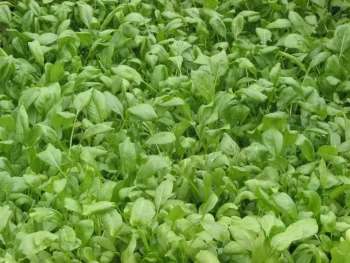
Growing Spinach: The Cool-Weather Crop That’s Traveled the World
If you’ve ever enjoyed a fresh salad or sautéed greens, chances are you’ve encountered spinach (Spinacia). This leafy annual has become a garden staple across North America, though it’s actually quite the world traveler with origins far from our shores.
What Exactly Is Spinach?
Spinach is an annual forb – essentially a soft-stemmed plant without woody tissue that completes its entire life cycle in one growing season. As a member of the amaranth family, it forms attractive rosettes of dark green, often crinkled leaves that can range from smooth to heavily textured depending on the variety.
A Plant With Passport Stamps
Here’s something that might surprise you: spinach isn’t native to North America. This green powerhouse originally hails from Central and Southwest Asia, likely the regions around modern-day Iran and Afghanistan. Despite being a non-native species, it has established itself across a remarkably wide range, now growing wild in states and provinces from Alaska to Texas, and from California to the Maritime provinces of Canada.
- Species observed
- No observations
While spinach reproduces spontaneously in the wild without human help, it’s not considered invasive or particularly problematic – it’s more like that friend who shows up unannounced but doesn’t overstay their welcome.
Why Grow Spinach in Your Garden?
Despite its non-native status, there are plenty of reasons gardeners choose to grow spinach:
- Fast-growing crop perfect for cool-season gardening
- Packed with nutrients and versatile in the kitchen
- Takes up minimal space and grows well in containers
- Can be succession planted for continuous harvests
- Tolerates light frosts, extending your growing season
The Right Spot for Spinach
Spinach thrives in cool weather and can be a bit dramatic when temperatures rise – it tends to bolt or go to seed quickly in warm conditions. It’s perfectly suited for:
- Vegetable gardens with cool-season crops
- Container gardens on patios or balconies
- Kitchen gardens for easy access while cooking
- Succession planting areas for continuous harvest
Growing Spinach Successfully
The key to happy spinach is understanding it’s a cool-weather lover. Plant it when soil temperatures are between 50-70°F, typically in early spring or fall in most regions. In milder climates, you can even grow it through winter.
Planting tips:
- Direct seed in well-drained, fertile soil
- Choose a spot with full sun to partial shade
- Plant seeds ½ inch deep and 2-4 inches apart
- Keep soil consistently moist but not waterlogged
- Consider succession planting every 2-3 weeks for continuous harvest
Care and maintenance:
- Harvest outer leaves when plants are 3-6 inches tall
- Watch for signs of bolting (tall flower stalks) in warm weather
- Provide afternoon shade in warmer regions
- Keep soil consistently moist to prevent bitter leaves
Considering Native Alternatives
While spinach is a wonderful garden crop, you might also consider some native alternatives that provide similar leafy greens and support local ecosystems:
- Lamb’s quarters (Chenopodium album) – though this can also be weedy
- Wild spinach or goosefoot species native to your region
- Native amaranth species for their edible leaves
- Regional native greens like purslane or miner’s lettuce
The Bottom Line on Spinach
Spinach may not be a native plant, but it’s earned its place in gardens through reliability and usefulness. It won’t take over your landscape or harm local ecosystems, making it a reasonable choice for edible gardening. Just remember to appreciate it for what it is – a visiting annual that’s happy to contribute to your dinner table before moving on. And who knows? You might find that exploring some native edible alternatives opens up a whole new world of local flavors in your garden.