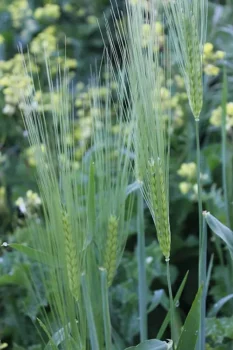
Spontaneous Barley: A Mediterranean Grass with Wild Character
If you’ve ever wondered about adding a touch of wild, Mediterranean charm to your garden, spontaneous barley (Hordeum spontaneum) might catch your eye. This unassuming grass brings a naturalized look that’s both rustic and resilient, though it’s worth understanding what you’re getting into before you plant it.
What is Spontaneous Barley?
Spontaneous barley is a wild grass species that belongs to the same family as lawn grasses and cereal grains. As its common name suggests, this plant has a tendency to show up on its own – it’s quite the self-starter! You might also see it listed under its synonym Hordeum spontanum in some older gardening references.
This grass-like plant produces the characteristic seed heads you’d expect from the barley family, creating a gently swaying texture that adds movement to garden spaces.
Where Does It Come From?
Spontaneous barley hails from the Mediterranean region, Middle East, and parts of Asia and North Africa. It’s not native to North America, so if you’re looking to support local ecosystems, you might want to consider native grass alternatives like buffalo grass or blue grama instead.
Garden Appeal and Landscape Role
This grass shines in naturalized settings where you want that wild meadow look without too much fuss. Its appeal lies in its understated character – it’s not flashy, but it provides a nice textural backdrop for more showy plants. Think of it as the reliable supporting actor in your garden’s cast.
Spontaneous barley works well in:
- Mediterranean-style gardens
- Wild or naturalized areas
- Erosion control projects
- Low-maintenance landscape zones
Growing Conditions and Care
The good news? Spontaneous barley isn’t particularly demanding. It thrives in well-draining soils and loves full sun – typical Mediterranean preferences. Once established, it’s quite drought tolerant, making it suitable for water-wise gardening approaches.
This grass generally does well in USDA hardiness zones 7-10, so gardeners in warmer climates will have the best success.
Planting and Maintenance Tips
Getting started with spontaneous barley is fairly straightforward:
- Direct seed in fall or early spring
- Scatter seeds over prepared soil and lightly rake in
- Water gently until germination occurs
- Once established, minimal watering needed
- Be prepared for self-seeding – this grass lives up to its spontaneous name!
Things to Consider
While spontaneous barley isn’t typically considered invasive, its tendency to self-seed means it can spread beyond where you initially planted it. Keep this in mind if you prefer more controlled garden spaces.
As a wind-pollinated grass, it doesn’t offer the same pollinator benefits as native wildflowers, so consider pairing it with native flowering plants if supporting local pollinators is a priority.
The Bottom Line
Spontaneous barley can be a nice addition to the right garden setting – particularly if you’re going for a Mediterranean or naturalized look and don’t mind a plant that makes itself at home. However, if you’re focused on supporting native ecosystems, exploring native grass alternatives might better serve your garden goals and local wildlife.
Whatever you decide, remember that the best garden is one that brings you joy while being mindful of the broader landscape around us!