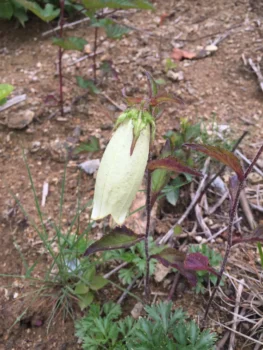
Spotted Bellflower: A Charming Ground Cover with a Wandering Spirit
If you’re looking for a perennial that brings delicate charm to shady corners of your garden, spotted bellflower might catch your eye. This herbaceous plant produces lovely bell-shaped blooms that seem to dance in the breeze, but there’s more to this pretty face than meets the eye.
What is Spotted Bellflower?
Spotted bellflower (Campanula punctata) is a perennial forb that hails from East Asia, including Korea, eastern Siberia, and northern China. As a non-native species, it has made its way to North America and now grows wild in Connecticut and New Hampshire, reproducing on its own without human assistance.
- Species observed
- No observations
This herbaceous perennial lacks woody stems and dies back to the ground each winter, emerging fresh each spring with renewed vigor—perhaps a little too much vigor for some gardeners’ liking!
The Beauty and the Beast
Let’s start with the good news: spotted bellflower is genuinely attractive. The plant produces drooping, bell-shaped flowers that are typically white to pale pink with distinctive purple spots adorning the inside of each bloom. These charming flowers appear in early to mid-summer, creating a delightful display that attracts bees and other pollinators to your garden.
The not-so-great news? This beauty has a wandering spirit. Spotted bellflower spreads via underground rhizomes and can quickly colonize areas beyond where you originally planted it. While some gardeners appreciate this as an easy ground cover solution, others find themselves playing an endless game of bellflower whack-a-mole.
Where Does It Fit in Your Garden?
Spotted bellflower works well in several garden settings:
- Cottage gardens where its informal spreading habit feels at home
- Woodland gardens under the dappled shade of trees
- Shaded borders where you need reliable ground cover
- Areas where you want low-maintenance color
Just remember that low-maintenance might also mean high-spreading, so plan accordingly!
Growing Conditions and Care
The good news for busy gardeners is that spotted bellflower is remarkably easy to grow. Here’s what it prefers:
- Light: Partial shade (it can handle some sun but prefers cooler conditions)
- Soil: Moist, well-drained soil (it’s not picky about soil type)
- Hardiness: USDA zones 3-8
- Water: Regular moisture but not waterlogged conditions
Care is minimal once established. You might want to deadhead spent flowers to prevent excessive self-seeding, and you’ll definitely want to keep an eye on its spreading tendencies. Installing root barriers or growing it in containers can help contain its enthusiasm.
Should You Plant It?
That’s the million-dollar question, isn’t it? Spotted bellflower can be a lovely addition to the right garden setting, especially if you’re looking for an easy-care ground cover for shady areas. However, its non-native status and spreading nature mean it might not be the best choice for naturalized areas or gardens focused on native plant communities.
If you’re drawn to the bellflower family but want to support native ecosystems, consider these alternatives:
- American bellflower (Campanulastrum americanum) for eastern regions
- Harebell (Campanula rotundifolia) – technically native to northern regions
- Wild bergamot (Monarda fistulosa) for similar purple-spotted appeal
The Bottom Line
Spotted bellflower is like that charming friend who overstays their welcome—delightful in small doses but potentially overwhelming if given free rein. If you choose to grow it, do so with open eyes about its spreading nature and a plan for containment. And remember, in the grand tapestry of garden design, sometimes the most beautiful choices are the native plants that have been waiting patiently in local nurseries for their chance to shine.
Whatever you decide, happy gardening!