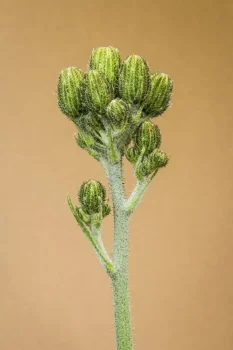
Spotted Hawkweed: A Hardy Perennial with European Roots
If you’re looking for a low-maintenance perennial that can handle tough growing conditions, you might have come across spotted hawkweed (Hieracium maculatum). This European native has found its way into American gardens and wild spaces, particularly in Michigan and other northern states. But before you decide whether this plant deserves a spot in your landscape, let’s dive into what makes spotted hawkweed tick.
What is Spotted Hawkweed?
Spotted hawkweed is a perennial forb—essentially an herbaceous plant without woody stems that comes back year after year. True to its name, this plant often displays distinctive spotted or mottled patterns on its leaves, which form attractive ground-hugging rosettes. The cheerful yellow, daisy-like flowers bloom on slender stems, creating a sunny display that pollinators absolutely love.
Where Does It Grow?
Originally from Europe, spotted hawkweed has established itself in various parts of North America, including Michigan. As a non-native species, it has proven quite adaptable to different climates and can reproduce on its own in the wild without any help from gardeners.
- Species observed
- No observations
Garden Appeal and Landscape Role
Spotted hawkweed brings several appealing qualities to the garden:
- Bright yellow flowers that bloom over an extended period
- Interesting spotted or mottled foliage patterns
- Low-growing rosettes that work well as ground cover
- Extremely hardy and drought-tolerant once established
- Attracts bees, butterflies, and other beneficial pollinators
This plant works particularly well in naturalized areas, informal wildflower gardens, or spaces where you want low-maintenance ground coverage. It’s not fussy about soil quality and can thrive in conditions where other plants might struggle.
Growing Conditions and Care
One of spotted hawkweed’s biggest selling points is its easy-going nature. Here’s what it prefers:
- Sunlight: Full sun to partial shade
- Soil: Tolerates poor, rocky, or sandy soils
- Water: Drought tolerant once established; doesn’t like waterlogged conditions
- Hardiness: Thrives in USDA zones 3-8
- Maintenance: Very low; may self-sow and spread naturally
Planting and Care Tips
Getting spotted hawkweed established is refreshingly straightforward:
- Plant in spring or early fall when temperatures are moderate
- Space plants about 12-18 inches apart to allow for natural spreading
- Water regularly during the first growing season to help establish roots
- After establishment, watering is rarely necessary except during severe drought
- Deadhead spent flowers if you want to prevent self-seeding
- Division every few years can help manage spread and rejuvenate older clumps
Things to Consider
While spotted hawkweed is relatively well-behaved in most garden settings, it’s worth noting that it can spread through both seeds and underground runners (stolons). This makes it excellent for covering large areas quickly, but you’ll want to keep an eye on it if you prefer more controlled garden designs.
Since spotted hawkweed is not native to North America, consider pairing it with or substituting native alternatives that provide similar benefits to local ecosystems. Native yellow-flowered plants like wild bergamot, black-eyed Susan, or native asters can offer comparable beauty while better supporting local wildlife.
The Bottom Line
Spotted hawkweed offers reliable performance, cheerful blooms, and minimal fuss—qualities that many gardeners appreciate. Its ability to thrive in challenging conditions makes it particularly valuable for difficult sites or low-maintenance landscapes. While it may not be native, it can play a useful role in informal gardens, especially when combined with native species that support local pollinators and wildlife.
Whether spotted hawkweed is right for your garden depends on your goals and gardening style. If you’re looking for a hardy, drought-tolerant perennial that asks for very little while providing consistent results, this European transplant might just fit the bill.