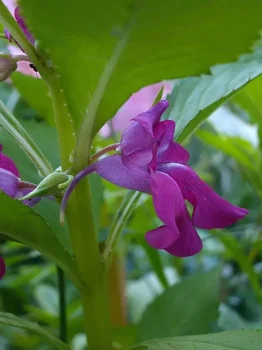
Spotted Snapweed: A Colorful Annual with Old-World Charm
If you’re looking for a splash of vibrant color in your garden, spotted snapweed (Impatiens balsamina) might catch your eye with its cheerful blooms and distinctive spotted petals. This annual flower has been brightening gardens for generations, though it comes with its own unique story and growing requirements.
What is Spotted Snapweed?
Spotted snapweed is a non-native annual flower that originally hails from India and Southeast Asia. Despite its exotic origins, this hardy little plant has made itself at home across much of the United States, establishing populations in 21 states from Alabama to Wisconsin, plus several U.S. territories.
As a forb (essentially a non-woody flowering plant), spotted snapweed lacks the woody stems of shrubs and trees, instead growing as a tender annual that completes its entire life cycle in a single growing season. You’ll find it thriving in upland areas rather than wetlands, preferring well-drained soils across most regions.
- Species observed
- No observations
Why Gardeners Choose Spotted Snapweed
There’s something undeniably charming about spotted snapweed’s old-fashioned appeal. Here’s what draws gardeners to this annual:
- Eye-catching flowers in pink, purple, white, or red, often with distinctive spots or stripes
- Reliable blooming throughout the growing season
- Easy to grow from seed
- Attracts beneficial pollinators like bees and butterflies
- Perfect for cottage garden aesthetics
Where Spotted Snapweed Shines in Your Garden
Spotted snapweed works beautifully in several garden settings:
- Cottage gardens: Its informal, cheerful blooms fit perfectly with the relaxed cottage garden style
- Annual borders: Use it to fill gaps between perennials or create colorful seasonal displays
- Container gardens: Great for pots, window boxes, and hanging baskets
- Cutting gardens: The flowers make lovely additions to informal bouquets
Growing Spotted Snapweed Successfully
The good news is that spotted snapweed is refreshingly easy to grow. Here’s what you need to know:
Growing Conditions
- Light: Full sun to partial shade (morning sun with afternoon shade works well)
- Soil: Well-draining soil of average fertility
- Water: Moderate moisture – not too wet, not bone dry
- Zones: Can be grown as an annual in USDA zones 2-11
Planting and Care Tips
- Direct sow seeds in spring after the last frost date
- Seeds germinate best in warm soil
- Space plants according to expected mature size
- Deadhead spent flowers to encourage continued blooming
- Water regularly during dry spells, but avoid overwatering
- No special fertilization needed in average garden soil
Things to Consider
While spotted snapweed can be a delightful addition to gardens, it’s worth noting that as a non-native species, it can self-seed and establish in natural areas. The plant reproduces readily on its own and has naturalized across many states. Though not currently listed as invasive, responsible gardeners might want to deadhead flowers before they set seed or consider native alternatives.
Native Alternatives to Consider
If you’re interested in supporting local ecosystems while still enjoying colorful annual flowers, consider these native alternatives:
- Wild bergamot (Monarda fistulosa): Attracts butterflies and bees
- Purple coneflower (Echinacea purpurea): Long-blooming perennial with pollinator appeal
- Black-eyed Susan (Rudbeckia hirta): Cheerful yellow blooms all season
- Wild columbine (Aquilegia canadensis): Delicate, unique flowers
The Bottom Line
Spotted snapweed offers gardeners an easy-to-grow annual with charming, old-fashioned appeal and reliable color throughout the season. While it’s not native to North America, it can certainly have a place in cottage gardens, annual beds, and containers. Just be mindful of its self-seeding nature and consider incorporating native plants alongside or instead of non-native species to support local wildlife and ecosystems.
Whether you choose spotted snapweed or opt for native alternatives, the most important thing is creating a garden that brings you joy while being mindful of its impact on the broader environment.