Spottedheart: A Tropical Climbing Beauty for Warm Climate Gardens
Looking for a fast-growing vine to add tropical flair to your warm-climate garden? Meet spottedheart (Stictocardia tiliifolia), also known as morning glory, a vigorous climbing plant that brings lush foliage and charming flowers to any landscape. While this isn’t a native plant in most areas where it’s grown, it has found a home in many tropical and subtropical gardens across the southern United States and Pacific territories.
What is Spottedheart?
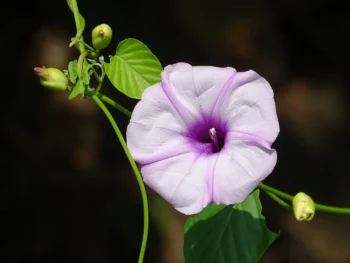
Spottedheart is a perennial twining vine that originally hails from tropical Asia and Pacific islands. This robust climber is known for its distinctive heart-shaped leaves and funnel-shaped flowers that bloom in shades of purple and pink. The plant gets its common name from the spotted patterns that sometimes appear on its blooms, though it’s also widely recognized as a type of morning glory.
Where Does Spottedheart Grow?
This non-native species has established itself in several U.S. locations, including Florida, Hawaii, Puerto Rico, the U.S. Virgin Islands, and various Pacific territories like Guam and Palau. It thrives in warm, tropical and subtropical climates and has naturalized in these areas, meaning it reproduces and persists without human intervention.
- Species observed
- No observations
Should You Plant Spottedheart in Your Garden?
The decision to plant spottedheart depends on your location, garden goals, and personal preferences. Here are some considerations:
The Pros:
- Fast-growing coverage for fences, arbors, and unsightly structures
- Attractive heart-shaped foliage creates a lush, tropical appearance
- Beautiful purple and pink flowers that attract butterflies and moths
- Thrives in coastal conditions and tolerates salt spray
- Low maintenance once established
The Considerations:
- Can be quite vigorous and may overwhelm smaller plants
- Requires regular pruning to keep it in bounds
- Not cold-hardy outside USDA zones 9-11
- As a non-native plant, it doesn’t provide the same ecological benefits as indigenous species
Growing Conditions and Care
If you decide to grow spottedheart, you’ll find it’s relatively easy to please:
Ideal Growing Conditions:
- Sunlight: Full sun to partial shade
- Soil: Well-draining soil, tolerates various soil types
- Water: Regular watering, but avoid waterlogged conditions
- Climate: USDA hardiness zones 9-11
Planting and Care Tips:
- Provide a sturdy support structure like a trellis, fence, or arbor
- Plant in spring after the last frost
- Water regularly during establishment, then as needed
- Prune regularly to control growth and prevent it from overwhelming other plants
- Watch for signs of aggressive spreading and manage accordingly
Wetland Tolerance
Interestingly, spottedheart shows different moisture preferences depending on the region. In the Atlantic and Gulf Coastal Plain areas, it typically prefers upland conditions but can tolerate some wetness. However, in Caribbean regions, it’s more commonly found in wetland areas while still tolerating drier sites.
Consider Native Alternatives
While spottedheart can be a beautiful addition to appropriate gardens, consider exploring native climbing vines that offer similar aesthetic appeal while supporting local ecosystems. Native alternatives might include coral honeysuckle (Lonicera sempervirens) in the Southeast or native morning glory species specific to your region. These plants provide the same climbing coverage while offering better support for local wildlife and pollinators.
The Bottom Line
Spottedheart can be a lovely addition to tropical and subtropical gardens, especially where you need quick coverage and don’t mind regular maintenance. Its vigorous nature makes it excellent for screening purposes, and its flowers do provide some pollinator benefits. Just remember to keep it in check with regular pruning, and consider whether a native alternative might better serve both your garden goals and local ecosystem needs.
Whether you choose spottedheart or a native climbing vine, the key is selecting plants that match your climate, maintenance preferences, and landscape goals. Happy gardening!