Spreading Liverseed Grass: What You Need to Know About This Tropical Ground Cover
Ever wondered about that spreading grass you might spot in tropical landscapes? Meet spreading liverseed grass (Urochloa decumbens), a perennial grass that’s made quite a journey from its African homeland to establish itself in warmer climates like Puerto Rico.
What Is Spreading Liverseed Grass?
Spreading liverseed grass is a low-growing, perennial grass that does exactly what its name suggests – it spreads! This member of the grass family (Poaceae) creates dense mats as it grows, with stems that creep along the ground before sending up shoots. You might also see it listed under its former scientific name, Brachiaria decumbens.
Where Does It Grow?
Originally from tropical Africa, spreading liverseed grass has found a new home in Puerto Rico, where it has naturalized and now reproduces on its own in the wild. It thrives in USDA hardiness zones 9-11, making it suited only for the warmest parts of the United States.
- Species observed
- No observations
What Does It Look Like?
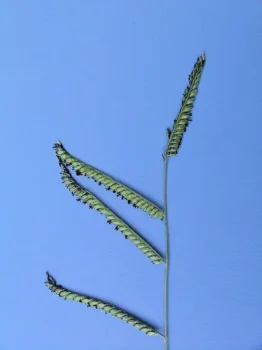
This grass isn’t going to win any beauty contests, but it has its own understated charm. It forms dense, mat-like ground cover with stems that spread horizontally before turning upward. The small seed heads are fairly inconspicuous, giving the plant a tidy, carpet-like appearance when maintained.
Growing Conditions and Care
If you’re in the right climate zone, spreading liverseed grass is refreshingly low-maintenance:
- Light: Thrives in full sun
- Soil: Adaptable to various soil types, including poor soils
- Water: Drought tolerant once established
- Maintenance: Minimal care required
Garden Uses and Landscape Role
This isn’t your typical ornamental garden grass. Spreading liverseed grass excels in utility roles like:
- Erosion control on slopes
- Ground cover in areas where other plants struggle
- Low-maintenance lawn alternative in appropriate climates
Should You Plant It?
Here’s where things get interesting. As a non-native species that readily naturalizes, spreading liverseed grass falls into that gray area of proceed with caution. While it’s not currently listed as invasive, its ability to establish and spread in wild areas means it could potentially impact native plant communities.
If you’re looking for ground cover options, consider exploring native alternatives first. Native grasses and ground covers will better support local wildlife and won’t risk disrupting natural ecosystems.
Wildlife and Pollinator Benefits
As a wind-pollinated grass, spreading liverseed grass offers minimal benefits to pollinators like bees and butterflies. Native flowering plants and grasses would provide much more value for local wildlife.
The Bottom Line
Spreading liverseed grass is a hardy, low-maintenance ground cover that can solve certain landscape challenges in tropical climates. However, before planting, consider whether native alternatives might serve your needs while better supporting your local ecosystem. Sometimes the most responsible gardening choice is also the most rewarding one!