Sprenger’s Asparagus Fern: A Non-Native Ground Cover Worth Considering
If you’ve been searching for a low-maintenance ground cover that can handle tough conditions, you might have stumbled across Sprenger’s asparagus fern (Asparagus aethiopicus). Despite its common name, this isn’t actually a fern at all – it’s a member of the asparagus family that just happens to have delicate, feathery foliage that resembles fern fronds.
What Exactly Is Sprenger’s Asparagus Fern?
Asparagus aethiopicus, also known by its synonyms Asparagus sprengeri, is a perennial subshrub that typically stays under 1.5 feet tall, though it can occasionally reach up to 3 feet at maturity. This South African native has made itself quite at home in warmer parts of the United States, where it reproduces spontaneously in the wild without human help.
Where You’ll Find It Growing
Currently, Sprenger’s asparagus fern has established populations in California, Florida, Hawaii, and Puerto Rico. It’s considered non-native in all these locations, having been introduced from its homeland in South Africa’s eastern coastal regions.
- Species observed
- No observations
The Appeal Factor
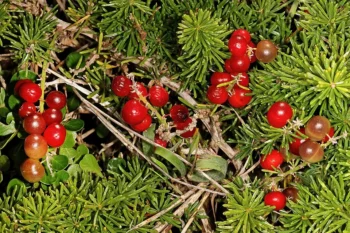
What draws gardeners to this plant? Its cascading, bright green foliage creates a soft, textural element in the landscape. The needle-like leaves give it an almost cloud-like appearance, and in the right conditions, it produces tiny white flowers followed by bright red berries that add a pop of color.
Garden Design Role and Landscape Uses
Sprenger’s asparagus fern works well as:
- Ground cover for slopes and challenging areas
- Container plantings and hanging baskets
- Erosion control on hillsides
- Textural element in Mediterranean-style gardens
- Low-maintenance landscaping in coastal areas
It’s particularly suited for xerophytic gardens, coastal landscapes, and anywhere you need a plant that can handle neglect while still looking attractive.
Growing Conditions and Care
One of the biggest selling points of Sprenger’s asparagus fern is how easygoing it is. Here’s what it prefers:
- Light: Full sun to partial shade
- Soil: Well-draining soil, particularly sandy soils
- Water: Drought tolerant once established, minimal water needs
- Climate: USDA hardiness zones 9-11
Planting and Care Tips
Getting started with Sprenger’s asparagus fern is refreshingly simple:
- Plant in well-draining soil – this plant hates wet feet
- Water regularly the first year to help establish roots, then back off
- Prune regularly to maintain shape and prevent overcrowding
- Be aware that it can spread via underground rhizomes, so consider containment if you don’t want it taking over
- Remove spent flowers if you don’t want it self-seeding
Things to Consider
While Sprenger’s asparagus fern is undeniably easy to grow, there are a few things to keep in mind. Since it’s non-native and has shown the ability to naturalize in several states, it’s worth considering whether native alternatives might better serve your local ecosystem.
The small white flowers do provide some benefit to pollinators, but native plants typically offer much more substantial support to local wildlife populations.
Native Alternatives to Consider
Before committing to Sprenger’s asparagus fern, consider these native alternatives that might provide similar benefits:
- Native sedges for textural ground cover
- Regional native grasses for erosion control
- Local native shrubs for low-maintenance landscaping
- Indigenous ground covers specific to your region
The Bottom Line
Sprenger’s asparagus fern is an undeniably tough and attractive plant that can solve specific landscaping challenges, particularly in difficult growing conditions. However, as with any non-native plant, it’s worth weighing its benefits against the potential advantages of choosing native species that support local ecosystems. If you do decide to grow it, keep an eye on its spreading tendencies and maintain it responsibly to prevent unwanted naturalization in your area.