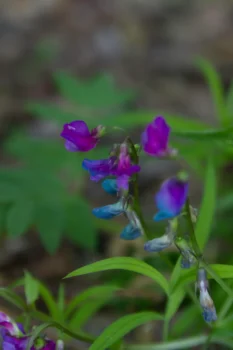
Spring-Vetch: A Charming Early Bloomer for Shady Spots
If you’re looking for a reliable spring bloomer that doesn’t mind the shade, spring-vetch (Lathyrus vernus) might just be the delightful addition your garden has been waiting for. This European native brings a splash of purple-pink color to the garden when most other plants are still waking up from winter.
What is Spring-Vetch?
Spring-vetch is a perennial member of the pea family that produces clusters of charming pea-like flowers in shades of purple-pink to magenta. What makes this plant particularly endearing is its timing – it blooms in early spring when your garden is hungry for color, and the flowers have a lovely habit of fading to blue as they age, creating a beautiful two-toned display.
Where Does Spring-Vetch Come From?
This woodland beauty hails from the mountainous regions of Europe, stretching from the Pyrenees through Central Europe to the Balkans and Carpathians. It’s perfectly at home in dappled forest settings, which gives us a big clue about how to grow it successfully in our own gardens.
Why Consider Growing Spring-Vetch?
There are several compelling reasons why gardeners fall for this spring charmer:
- Early season interest: Blooms when few other plants are flowering
- Shade tolerance: Thrives in partial to full shade where many flowering plants struggle
- Low maintenance: Once established, it’s quite self-sufficient
- Pollinator friendly: Provides nectar for early-emerging bees and butterflies
- Attractive foliage: Features lovely pinnate leaves that add texture to shady spots
Growing Spring-Vetch Successfully
Spring-vetch is generally hardy in USDA zones 4-7, making it suitable for many North American gardens. Here’s what you need to know to grow it successfully:
Light Requirements
This woodland native prefers partial shade to full shade. While it can tolerate some morning sun, it performs best when protected from intense afternoon heat.
Soil Needs
Spring-vetch isn’t particularly fussy about soil type, but it does best in moist, well-draining soil rich in organic matter. Think forest floor conditions – that’s its happy place!
Planting Tips
- Plant in fall or early spring
- Space plants about 12-18 inches apart
- Add compost or leaf mold to improve soil structure
- Water regularly during the first growing season to help establish roots
Care and Maintenance
Once established, spring-vetch is refreshingly low-maintenance. It may go dormant during hot summer months, which is completely normal – don’t panic if it seems to disappear! The plant will return the following spring. It self-seeds readily, so you may find new plants popping up in suitable spots around your garden.
Garden Design Ideas
Spring-vetch works beautifully in:
- Woodland gardens alongside other spring ephemerals
- Shaded borders that need early season color
- Naturalized areas where it can spread and self-seed
- Cottage-style gardens with a relaxed, informal feel
A Word About Native Alternatives
While spring-vetch is a lovely addition to North American gardens and isn’t considered invasive, you might also consider native alternatives that provide similar benefits to local wildlife. Wild ginger (Asarum canadense), wild columbine (Aquilegia canadensis), or bloodroot (Sanguinaria canadensis) are all excellent native options that bloom early and thrive in shade.
The Bottom Line
Spring-vetch is a delightful choice for gardeners who want reliable spring color in shady spots. Its low-maintenance nature and early blooming habit make it a valuable addition to woodland gardens and naturalized areas. While it’s not native to North America, it’s well-behaved and provides early nectar for pollinators when they need it most. Just remember to consider native alternatives too – your local wildlife will thank you!