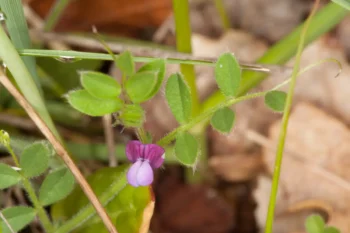
Spring Vetch: A Delicate Early Bloomer for Your Garden
If you’re looking for an early-season flower that brings a splash of color when most plants are just waking up from winter, spring vetch (Vicia lathyroides) might catch your eye. This petite annual legume produces charming purple-pink flowers that dance in the spring breeze, but there’s more to this plant than meets the eye.
What Is Spring Vetch?
Spring vetch is a small, delicate annual herb in the pea family. Unlike woody shrubs or trees, this forb produces soft, herbaceous growth that dies back each year. Its compound leaves are made up of tiny leaflets, giving it a fine, almost feathery texture that contrasts beautifully with broader-leafed garden plants.
Native Status and Distribution
Here’s where things get interesting: spring vetch isn’t actually native to North America. This European and Mediterranean native has made itself at home across various states including Alabama, California, Georgia, Massachusetts, New York, Virginia, Washington, and even British Columbia. It reproduces on its own in the wild and has established persistent populations without human intervention.
- Species observed
- No observations
Should You Plant Spring Vetch?
The decision to grow spring vetch comes with some considerations. While it’s not listed as invasive or noxious, its non-native status means it won’t provide the same ecological benefits as indigenous plants. However, if you’re drawn to its early spring blooms and nitrogen-fixing abilities, it can serve a purpose in certain garden settings.
Garden Appeal and Landscape Role
Spring vetch brings several appealing qualities to the garden:
- Early spring flowers when color is scarce
- Delicate purple to pink pea-like blooms
- Fine-textured foliage that adds visual interest
- Nitrogen-fixing properties that can benefit soil
- Low-growing ground cover potential
This plant works best in naturalized areas, wildflower meadows, or informal garden spaces where its self-seeding nature won’t disrupt more structured plantings.
Growing Conditions and Care
Spring vetch is refreshingly low-maintenance once you understand its preferences:
- Sunlight: Full sun to partial shade
- Soil: Well-draining soils; tolerates poor conditions
- Water: Drought tolerant once established
- USDA Zones: Generally hardy in zones 3-9
As an annual, spring vetch completes its entire life cycle in one growing season, but don’t worry about replanting—it readily self-seeds for next year’s display.
Pollinator and Wildlife Benefits
The early spring flowers attract small bees and other pollinators when few other food sources are available. However, as a non-native species, spring vetch doesn’t support native insect larvae the way indigenous plants do.
Planting and Care Tips
- Sow seeds in fall or early spring
- Scatter seeds directly where you want them to grow
- Lightly rake into soil surface
- Water gently until germination occurs
- Minimal care required once established
- Allow some plants to go to seed for next year
Consider Native Alternatives
If you love the idea of early spring legume flowers, consider these native alternatives that provide better ecological value:
- American groundnut (Apios americana)
- Wild lupine (Lupinus perennis)
- Partridge pea (Chamaecrista fasciculata)
- Native clovers specific to your region
The Bottom Line
Spring vetch can be a charming addition to informal, naturalized gardens where you want early color and don’t mind a plant that spreads on its own terms. While it won’t provide the ecological punch of native species, it’s not problematic enough to avoid entirely. Just be aware of its self-seeding nature and consider whether native alternatives might better serve your garden’s goals and local ecosystem.
Whether you choose spring vetch or opt for native alternatives, the key is creating a garden that brings you joy while supporting the natural world around you.