Squarestem Butterflybush: A South African Beauty for Warm Climate Gardens
If you’re looking for a fragrant, butterfly-attracting shrub that thrives in warm, dry conditions, the squarestem butterflybush (Buddleja saligna) might catch your eye. This South African native has found its way into California gardens, where it’s made itself quite at home—perhaps a little too at home, as we’ll discuss.
What Exactly Is Squarestem Butterflybush?
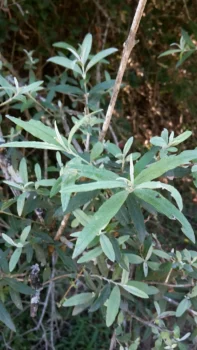
Squarestem butterflybush is a perennial shrub that typically grows as a multi-stemmed woody plant, usually staying under 13-16 feet tall. Despite its common name suggesting square stems, this member of the Buddleja family is known for its silvery-green foliage and clusters of small, sweetly fragrant white to cream-colored flowers that bloom in spring and summer.
Originally from the Eastern and Western Cape regions of South Africa, this plant has adapted well to Mediterranean-type climates. It’s considered a non-native species that has established itself in California, where it reproduces on its own without human intervention.
Geographic Distribution and Spread
In the United States, squarestem butterflybush is currently found in California, where it has naturalized in various habitats. As a non-native species, it has shown the ability to spread and persist without human care, which is both a testament to its hardiness and a potential concern for local ecosystems.
- Species observed
- No observations
Why Gardeners Might (or Might Not) Choose This Plant
There are several reasons why this South African shrub appeals to gardeners:
- Extremely drought tolerant once established
- Fragrant flowers that attract butterflies and bees
- Low maintenance requirements
- Thrives in coastal and Mediterranean climates
- Silvery foliage provides nice textural contrast
However, there are some considerations to keep in mind. Since this is a non-native species that readily naturalizes, some gardeners prefer to choose native alternatives that provide similar benefits while supporting local wildlife and ecosystems more effectively.
Growing Conditions and Care
If you decide to grow squarestem butterflybush, here’s what it needs to thrive:
Climate: This shrub performs best in USDA hardiness zones 9-11, making it suitable for warmer regions with mild winters.
Light and Soil: Full sun is essential for the best flowering and growth. The plant adapts to various soil types but absolutely requires well-draining soil—soggy conditions will quickly kill it.
Water Needs: Once established (usually after the first year), squarestem butterflybush is remarkably drought tolerant. During establishment, provide regular water, then reduce to occasional deep watering during extended dry periods.
Planting and Maintenance Tips
Here’s how to give your squarestem butterflybush the best start:
- Plant in fall or early spring to allow root establishment before hot weather
- Dig a hole twice as wide as the root ball but no deeper
- Backfill with native soil—no need for amendments in most cases
- Water regularly for the first year, then reduce frequency
- Prune lightly after flowering to maintain shape and encourage new growth
- In colder areas of its range, provide frost protection for young plants
Landscape Uses
Squarestem butterflybush works well in several garden settings:
- Mediterranean and drought-tolerant landscapes
- Butterfly gardens and pollinator-friendly spaces
- Coastal gardens where salt tolerance is beneficial
- Informal hedges or screening plants
- Specimen plantings for fragrance near patios or walkways
Consider Native Alternatives
While squarestem butterflybush can be a lovely garden addition, consider these native alternatives that provide similar benefits while supporting local ecosystems:
- California native buckwheats (Eriogonum species) for drought tolerance and butterfly appeal
- Ceanothus varieties for blue flowers and wildlife value
- Native salvias for fragrant flowers and pollinator benefits
- Manzanitas (Arctostaphylos species) for year-round structure and wildlife food
The Bottom Line
Squarestem butterflybush can be a valuable addition to warm-climate gardens, especially where water conservation is important. Its fragrant flowers, drought tolerance, and ability to attract pollinators make it appealing to many gardeners. However, since it’s a non-native species that naturalizes readily, consider whether native alternatives might better serve your garden goals and local ecosystem. Whatever you choose, proper siting and care will help ensure your butterfly garden thrives while being a responsible part of your local landscape.