Squarrose Knapweed: A Mediterranean Perennial for Drought-Tolerant Gardens
If you’re searching for a hardy perennial that can handle tough growing conditions while providing colorful blooms, squarrose knapweed (Centaurea virgata) might catch your eye. This Mediterranean native has found its way into gardens across several western and midwestern states, bringing with it both beauty and some important considerations for thoughtful gardeners.
What is Squarrose Knapweed?
Squarrose knapweed is a perennial forb – essentially a non-woody flowering plant that comes back year after year. Originally from the Mediterranean region, particularly Turkey, this plant has established itself as a non-native species in parts of the United States. While it’s not considered invasive in most areas, it’s worth understanding what you’re getting into before adding it to your landscape.
Where Does It Grow?
Currently, squarrose knapweed has been documented growing in California, Michigan, Montana, Nevada, Oregon, and Utah. It tends to thrive in areas with Mediterranean-like climates and can naturalize in suitable conditions.
- Species observed
- No observations
Garden Appeal and Characteristics
What makes this plant appealing to some gardeners? Here are its standout features:
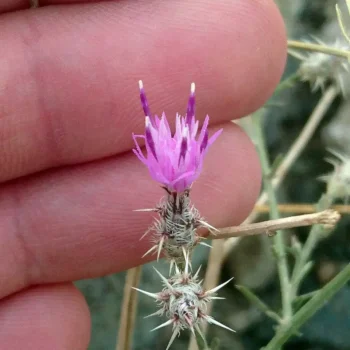
- Purple to pink thistle-like flower heads that bloom from summer into fall
- Silvery-green foliage that provides nice contrast in the garden
- Upright, branching growth habit
- Excellent drought tolerance once established
- Attracts pollinators including bees and butterflies
Growing Conditions and Care
Squarrose knapweed is remarkably easy to grow, which can be both a blessing and a consideration. It thrives in USDA hardiness zones 4-8 and prefers:
- Full sun exposure
- Well-draining soils (it’s quite adaptable to soil types)
- Minimal water once established
- Low-maintenance care
The plant’s ability to self-seed readily means you might find new plants popping up where you didn’t expect them. Regular deadheading can help control unwanted spread while extending the blooming period.
Best Garden Settings
This hardy perennial works well in:
- Drought-tolerant and xeriscape gardens
- Mediterranean-style landscapes
- Naturalized or wildflower areas
- Low-maintenance borders
Important Considerations
While squarrose knapweed isn’t currently listed as invasive in most areas, it’s still a non-native species that can spread readily. Before planting, consider these points:
- Check with your local extension office about any regional concerns
- Be prepared to manage self-seeding through deadheading
- Consider whether native alternatives might better serve your landscape goals
Native Alternatives to Consider
If you’re drawn to the drought tolerance and pollinator appeal of squarrose knapweed but prefer native options, consider these alternatives based on your region:
- Native asters for similar late-season blooms
- Wild bergamot (Monarda fistulosa) for pollinator appeal
- Purple prairie clover (Dalea purpurea) for drought tolerance
- Regional native thistles where appropriate
The Bottom Line
Squarrose knapweed can be a valuable addition to drought-tolerant gardens, offering reliable blooms and pollinator benefits with minimal care. However, as with any non-native plant, it’s worth weighing the benefits against the potential for unwanted spread and considering whether native alternatives might better serve both your garden and local ecosystem needs. If you do choose to grow it, responsible management through deadheading and monitoring will help you enjoy its benefits while keeping it in check.