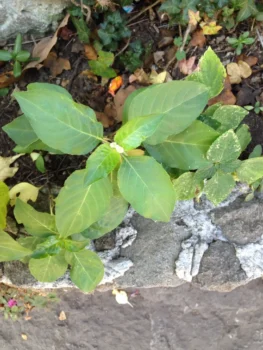
Squirrel’s Tail: A Tropical Accent Plant for Hawaiian Gardens
Looking for a unique flowering plant to add some tropical flair to your Hawaiian garden? Meet squirrel’s tail (Justicia betonica), a compact perennial that’s made itself at home in the islands. While this little charmer isn’t native to Hawaii, it’s become a naturalized resident that some gardeners appreciate for its distinctive orange blooms and easy-going nature.
What is Squirrel’s Tail?
Squirrel’s tail is a small herbaceous perennial that belongs to the acanthus family. As a forb, it’s a non-woody plant that lacks significant woody tissue above ground, making it quite different from shrubs or trees. This plant has earned its whimsical common name from its fuzzy, tail-like flower spikes that emerge from the foliage.
You might also see this plant listed under its botanical synonym Nicoteba betonica, but Justicia betonica is the accepted scientific name today.
Where Does It Come From?
Originally hailing from the tropical regions of Central and South America, particularly Mexico and Guatemala, squirrel’s tail has traveled far from its native home. In the United States, you’ll currently find it established in Hawaii, where it reproduces on its own and has become naturalized in the wild.
- Species observed
- No observations
What Does It Look Like?
This compact perennial puts on quite a show with its vibrant orange to red-orange tubular flowers arranged in terminal spikes. The blooms have a distinctive fuzzy appearance that gives the plant its charming common name. The flowers emerge from relatively modest foliage, creating an eye-catching display that adds tropical appeal to any garden setting.
Garden Design and Landscaping Uses
Squirrel’s tail works well as:
- A low-growing accent plant in tropical garden beds
- Groundcover in partially shaded areas
- Container plantings for patios and decks
- Border plantings along walkways
This plant is best suited for tropical and subtropical gardens where it can thrive year-round. It’s particularly at home in Hawaiian landscapes and other warm, humid environments.
Growing Conditions and Care
If you’re considering adding squirrel’s tail to your garden, here’s what it needs to thrive:
Climate: Hardy in USDA zones 9-11 only. This is strictly a warm-weather plant that cannot tolerate frost.
Light: Prefers partial shade to full sun, though some afternoon shade is beneficial in very hot climates.
Soil: Well-draining soil is essential. It adapts to various soil types but doesn’t like to sit in waterlogged conditions.
Water: Regular moisture is important, but avoid overwatering. Allow soil to dry slightly between waterings.
Planting and Care Tips
- Plant after all danger of frost has passed
- Space plants according to their mature size to allow good air circulation
- Provide regular watering during dry spells
- Occasional pruning helps maintain a tidy shape and encourages new growth
- Protect from strong winds and cold temperatures
- In colder zones, consider growing in containers that can be moved indoors
Wildlife and Pollinator Benefits
The tubular flowers of squirrel’s tail are particularly attractive to hummingbirds, making it a good choice for wildlife-friendly gardens. Some butterflies may also visit the blooms, adding to its appeal for pollinator gardens.
Should You Plant It?
While squirrel’s tail can be an attractive addition to tropical gardens, it’s important to remember that this is not a native Hawaiian species. If you’re passionate about supporting local ecosystems, you might want to consider native Hawaiian alternatives that provide similar aesthetic appeal while supporting indigenous wildlife.
If you do choose to grow squirrel’s tail, be mindful of its care requirements and enjoy its unique tropical charm. Just remember that in Hawaii’s climate, this plant can self-seed and spread, so keep an eye on its behavior in your garden.
Whether you’re drawn to its quirky common name or its cheerful orange blooms, squirrel’s tail offers a distinctive option for gardeners in warm climates looking to add some tropical personality to their landscape.